

Why soot cleanup can’t wait
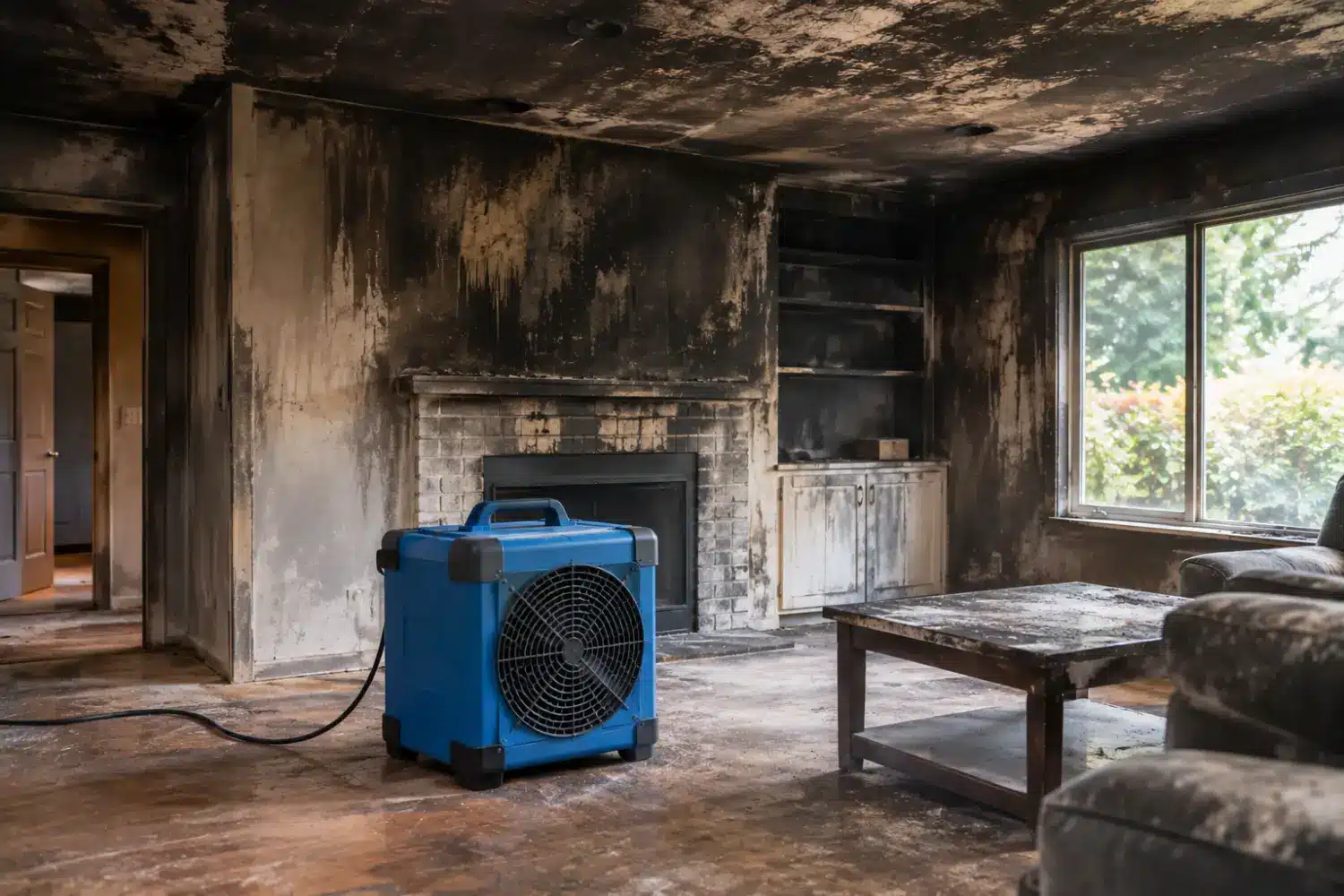
After a fire, soot settles on every surface the smoke reached, not just the room that burned. It is acidic, so the longer it sits, the more it can etch and stain paint, grout, metal fixtures and fabric. It also holds the smoke smell. The Washington State Department of Health notes that fire ash can contain toxic substances and heavy metals such as lead, which is one more reason to have it removed properly instead of swept around the house.
What our smoke and soot cleanup includes
As our fire damage restoration page explains, different fires leave different residues. We identify which one is on each surface before we choose a method.
- Residue testing. Dry soot, oily soot and kitchen protein residue each need a different approach, and some surfaces show more than one.
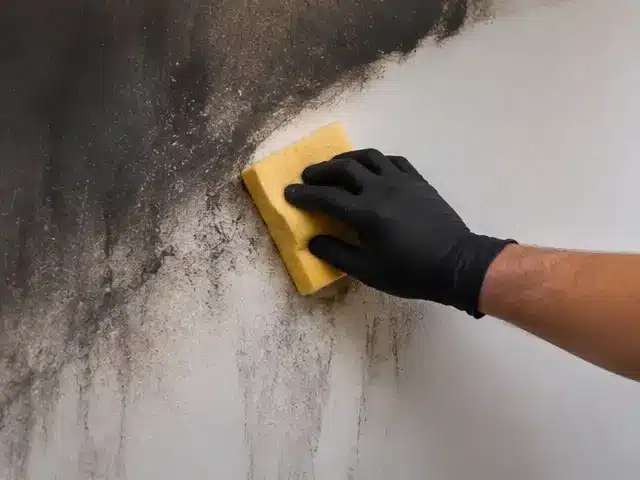
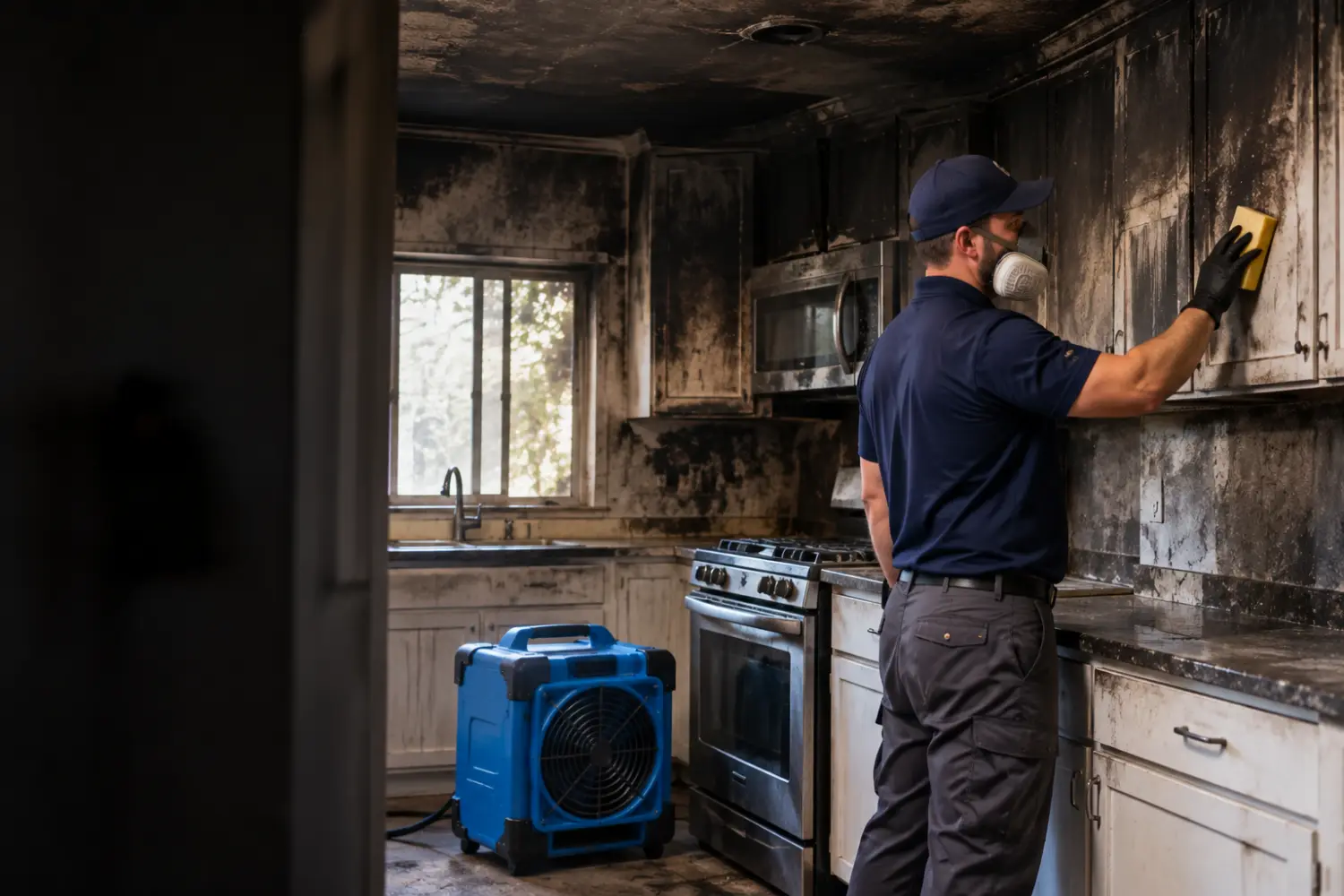
- Walls and ceilings. We start with dry soot removal to lift loose particles, then use wet cleaning only where it is safe for the paint and drywall.
- Cabinets, trim and fixtures. Kitchen fires often leave a yellowish protein film on cabinets that is easy to miss and holds a strong smell.
- HVAC and ducts. Soot in the ductwork keeps spreading residue and odor to clean rooms, so the system is part of the job.
- Contents. Furniture, clothing, dishes, electronics and keepsakes that can be saved are cleaned, and losses are photographed for your claim.
- Porous materials. Insulation and some upholstery with heavy smoke damage usually have to be replaced. We document them before removal.
Once the soot is gone, the remaining smell is handled by our fire and smoke odor removal service, and damaged finishes are rebuilt through fire damage repair and reconstruction.
Soot in Puget Sound homes: house fires and wildfire smoke
Most soot jobs follow a house or business fire. But in late summer, wildfire smoke from fires across the region can settle over the Seattle area for days, and fine soot gets in through windows, vents and HVAC systems, especially in older houses. A thin gray dust around vents and on window sills is the usual sign. If your home was built before 1980, the Department of Health notes it may contain asbestos that can release fibers when damaged materials are disturbed, so tell us the age of the house when you call.
What to do before we arrive
- Wait until the fire department says it is safe to go back inside.
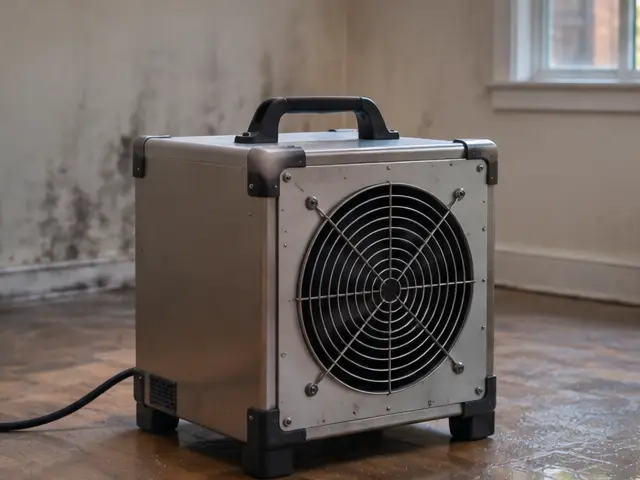
- Do not run the furnace, air conditioning or fans until the system has been checked.
- Do not wipe or scrub soot. Wiping smears it into paint and fabric.
- Keep children away from ash. The CDC says children should not do any cleanup work.
- Throw out food and medications that were exposed to heat, smoke or soot.
- Take photos and video of every room before anything is moved.
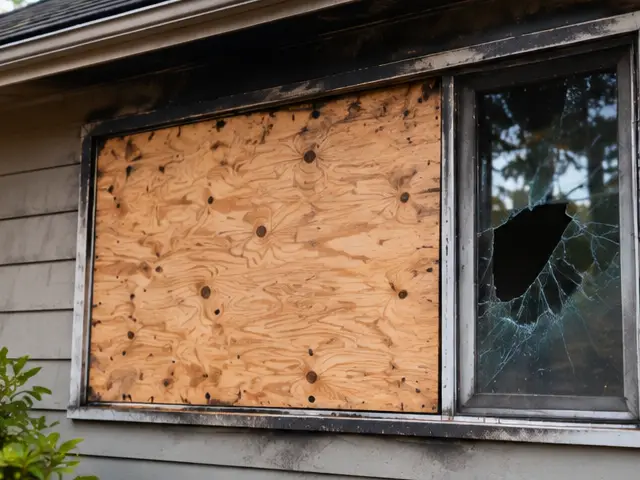
- If windows, doors or the roof are open, ask us about emergency board-up and tarping.
When to call
Call us if you see soot or a gray film on walls, ceilings or vents, if a room smells of smoke after a fire nearby, or if a fire in a neighboring unit sent smoke into yours. We clean soot in homes and businesses in Seattle, Renton, Kent and across King and Pierce County.
Call (206) 203-6155 any time, day or night, for smoke and soot damage cleanup.