

After the sewage is removed, we dry the structure with our water damage restoration process and disinfect with our sanitization services. Backups under the house are handled by our crawl space cleaning team.
Sewer Backup Cleanup in Seattle: What It Involves
A sewage backup is one of the most urgent kinds of water damage. Sewage is Category 3 (“black”) water: it carries bacteria, viruses and other contaminants, so it can’t just be mopped up and dried. Our sewer backup cleanup removes the sewage, removes materials that can’t be safely cleaned, disinfects every affected surface, dries the structure and removes the odor, with documentation for your insurance claim. We respond 24/7, with an average response time of 45 minutes. Call (206) 203-6155.
Common causes of sewer backups
- Tree roots growing into older clay or cast-iron side sewers, very common in Seattle’s older neighborhoods
- Grease, wipes and other items that block the line (“flushable” wipes included)
- Heavy rain overloading the system, which can push water and sewage back up through basement floor drains
- Collapsed, cracked or sagging pipes
- A blockage in the public sewer main, which backs up into the lowest drains in nearby buildings
Who is responsible for a sewer backup in Seattle?
In Seattle, the side sewer, the pipe that runs from your building to the public sewer main, belongs to the property owner, including the part under the street. If the blockage is in your side sewer, the repair is usually your responsibility, and a plumber or sewer contractor needs to clear and possibly repair the line. If the public main is blocked, contact Seattle Public Utilities. In other cities, check with your local sewer utility. In every case, the cleanup inside the building should start right away, and we can begin while the line is being cleared.
What to do right now
- Stop using water: no flushing, showers, laundry or dishwasher until the line is clear. Every gallon you use can come back up.
- Keep everyone away, especially children, pets and anyone with a weak immune system.
- Don’t touch sewage without gloves, boots and eye protection, and wash thoroughly if you do.
- Don’t use household fans or the HVAC in the affected area; they spread contaminants and odor.
- Take photos of the water and the damage for your insurance claim.
- Call a plumber to clear the line and call us for the cleanup: (206) 203-6155.
Our sewage cleanup process
- Containment and protection. We isolate the affected area so contamination isn’t tracked through the rest of the building. Our technicians wear protective equipment.
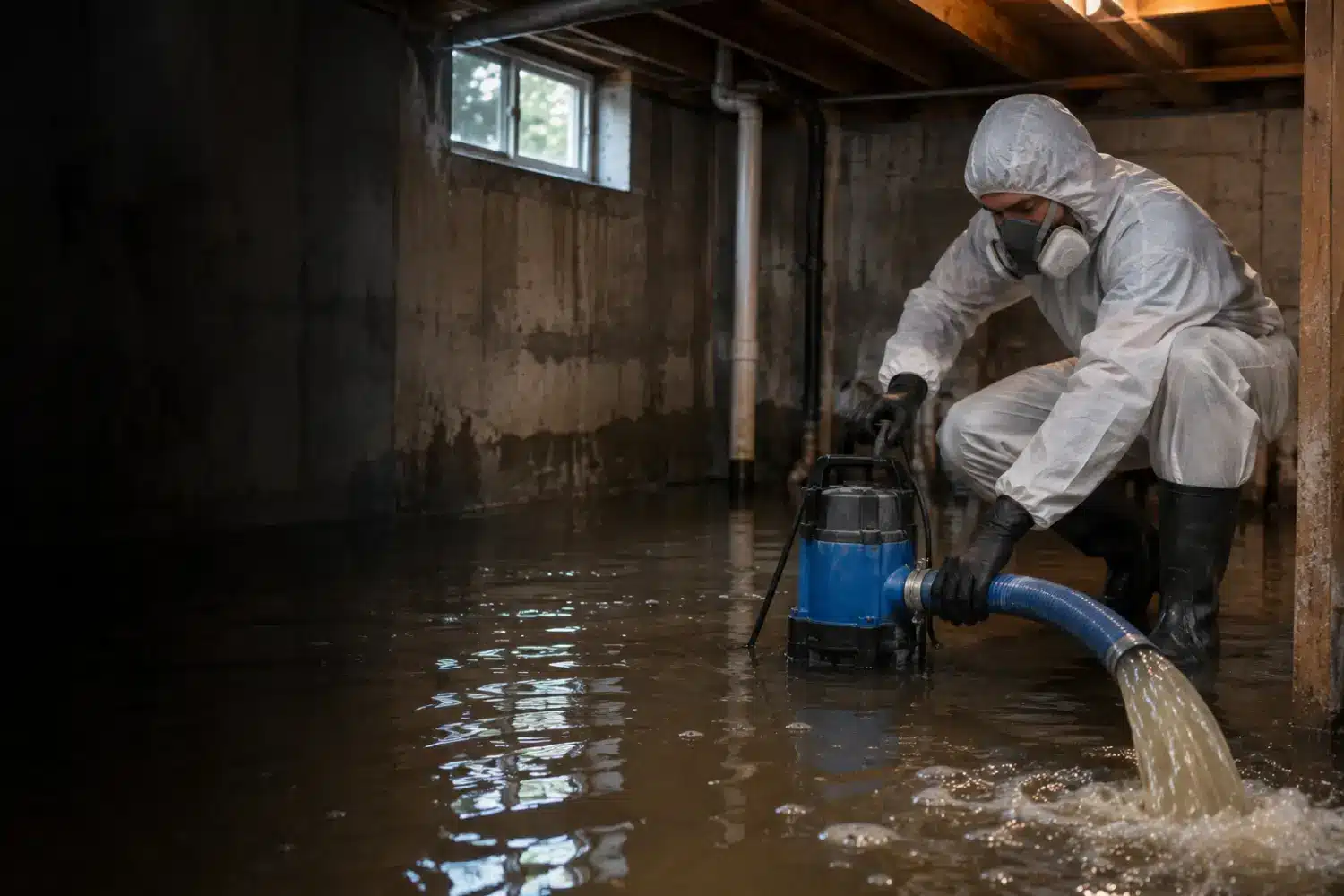
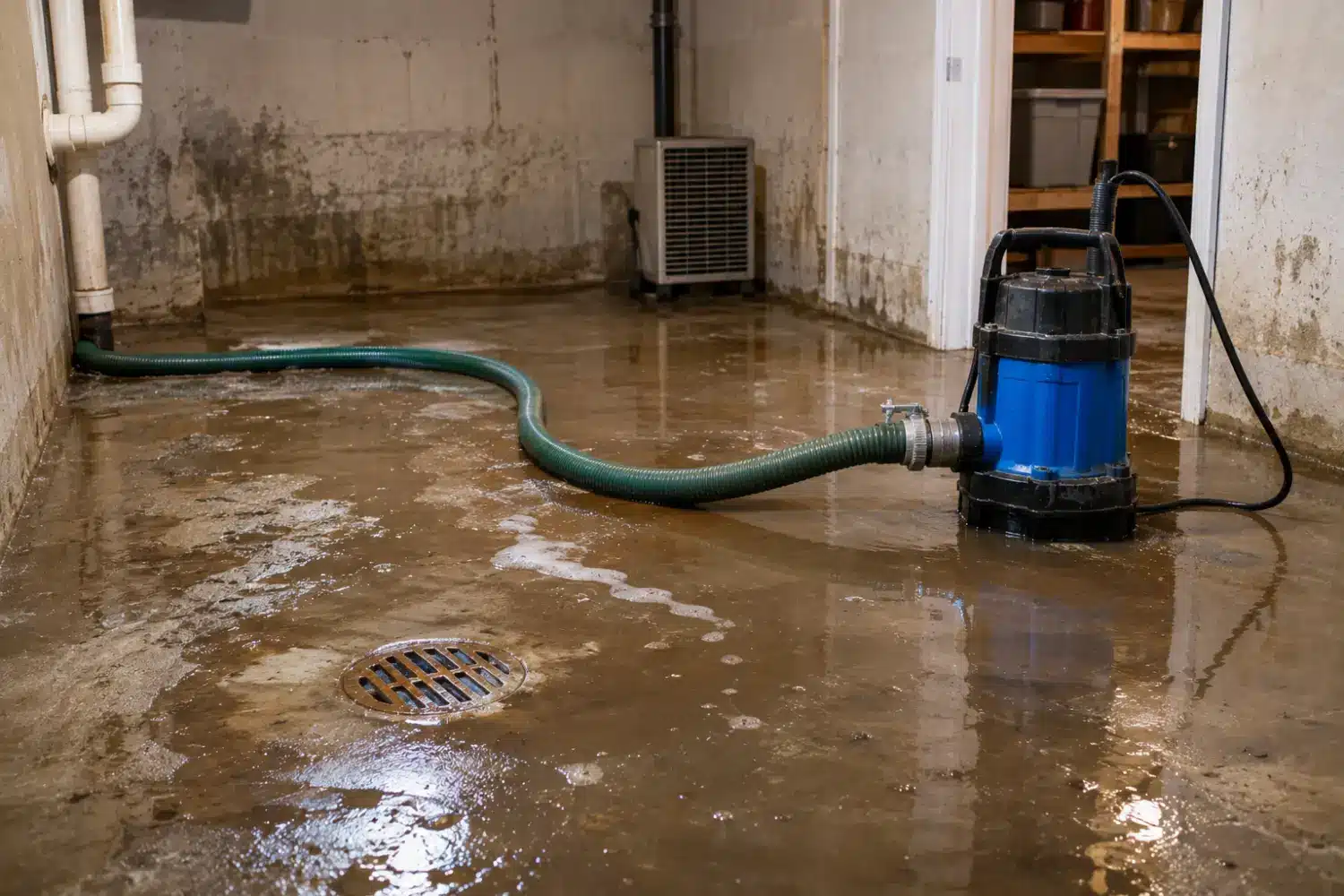
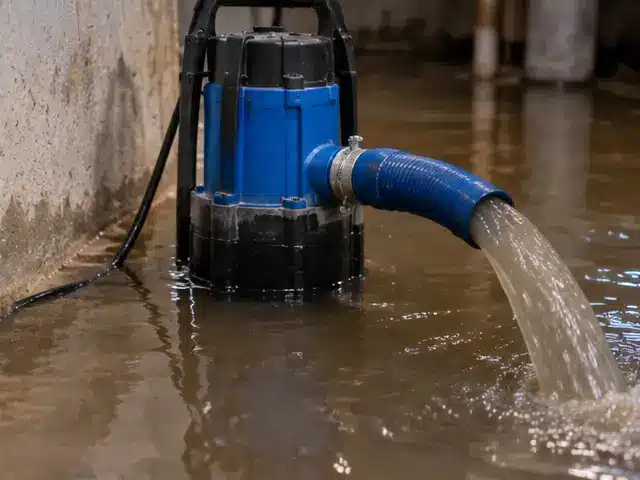
- Extraction. Sewage and contaminated water are pumped out and disposed of properly.
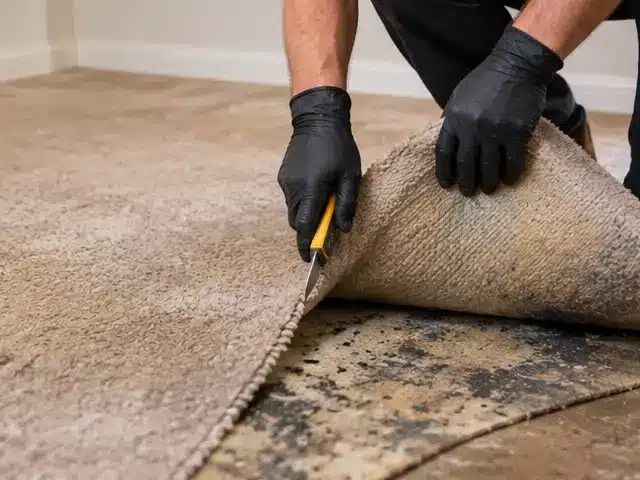
- Removal of contaminated materials. Porous materials that sewage touched, such as carpet and pad, drywall up to above the water line, insulation and some furniture, usually can’t be safely cleaned and are removed and documented.
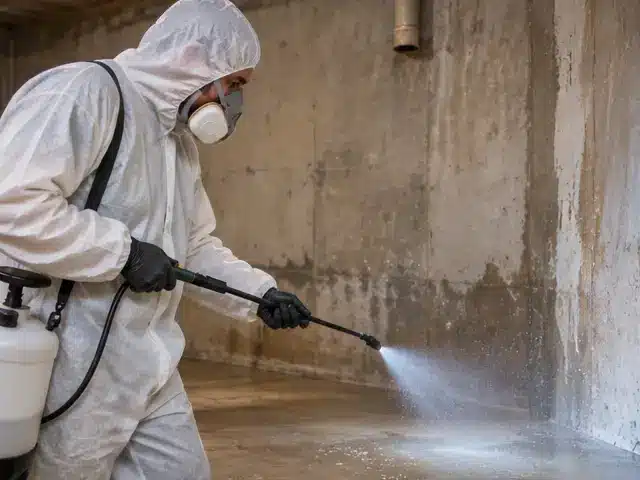
- Cleaning and disinfection. Every affected surface, including framing, concrete and subfloors, is cleaned and disinfected. See sanitization services.
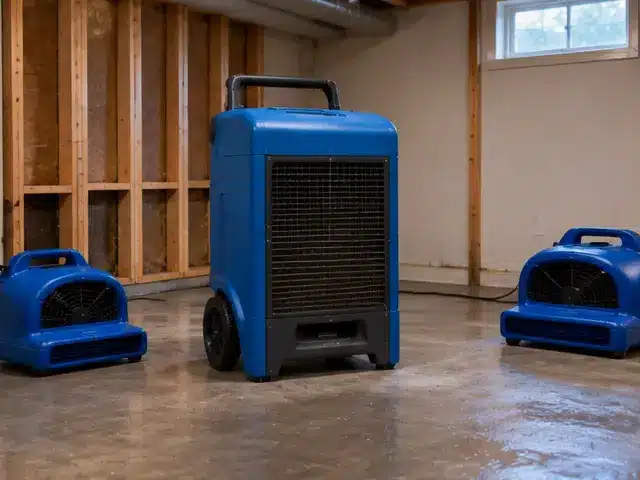
- Drying. Commercial dehumidifiers and air movers dry the structure, with daily moisture readings. See water damage restoration.
- Odor removal and repairs. We deodorize, then rebuild drywall, flooring and finishes.
What can be saved after a sewage backup?
Hard, non-porous items such as metal, glass, ceramic and sealed hardwood furniture can usually be cleaned and disinfected. Porous items that soaked up sewage, such as carpet, pad, mattresses, upholstered furniture, cardboard boxes and paper, usually can’t be made safe and should be thrown away. Photograph everything before it goes, and list it for your insurance claim. Food, medications and cosmetics that touched sewage must be discarded.
Does insurance cover sewer backup?
A standard homeowners policy usually does not cover sewer or drain backup unless you added a sewer backup endorsement. Flooding from outside usually needs flood insurance. Check your policy or call your agent; we provide photos, moisture readings and an itemized list of removed materials to support your claim, and we work with most major insurance companies.
Sewage cleanup in commercial buildings
In restaurants, offices, apartment buildings, hotels and stores, a sewage backup can close restrooms, kitchens or whole floors. We contain the area to keep the rest of the building open, clean and disinfect to a standard you can show tenants and inspectors, and work after hours when needed. See commercial restoration.
Sewage backup cleanup near you
We provide 24/7 sewage cleanup across Seattle, Bellevue, Renton, Kent, Federal Way, Tacoma, Burien, Tukwila and the rest of King and Pierce County. If the backup is under the house, see crawl space cleaning.
Sewage in your home or building? Call (206) 203-6155 now. We answer 24/7.
More questions about sewage backup
Is sewage backup dangerous?
Yes. Sewage contains harmful microorganisms that can cause serious illnesses. Professional cleanup and sanitization are essential for safety.
Do you handle both residential and commercial sewage cleanup?
Yes. We provide sewage backup and cleanup services for homes, apartments, offices, restaurants, and all types of commercial properties throughout Seattle.
How quickly can you respond?
We respond 24/7, with an average response time of 45 minutes, to minimize damage and begin immediate containment and cleanup.
Can sewage backup cause mold?
Absolutely. Mold can begin to grow within 24–48 hours if moisture isn’t removed quickly. Our cleanup process includes thorough drying and mold prevention.
Do you also repair damage after cleanup?
Yes. Our full restoration service includes repairs to floors, walls, and other affected areas to return your property to its pre-damage condition.
What company handles sewage backup cleanup in a commercial building?
A restoration company with Category 3 water experience. We clean up sewage backups in restaurants, offices, apartment buildings, hotels and stores 24/7, contain the area to keep the rest of the building open, and provide documentation for the property manager and insurer. Call (206) 203-6155.
Not sure whether you or the city is responsible? Read our guide to sewer backup in Seattle: who is responsible.