

One leak, many units
In an apartment or condo building, water does not stop at the unit where it started. A failed washer hose, a toilet supply line or a burst pipe on an upper floor runs through the floor and ceiling into the units below and into hallways, garages and other common areas. Seattle has a lot of condos and apartments, and its cold snaps hit multi-unit buildings too: in January 2024, burst pipes flooded apartments at Seattle University.
What apartment and condo water damage restoration includes
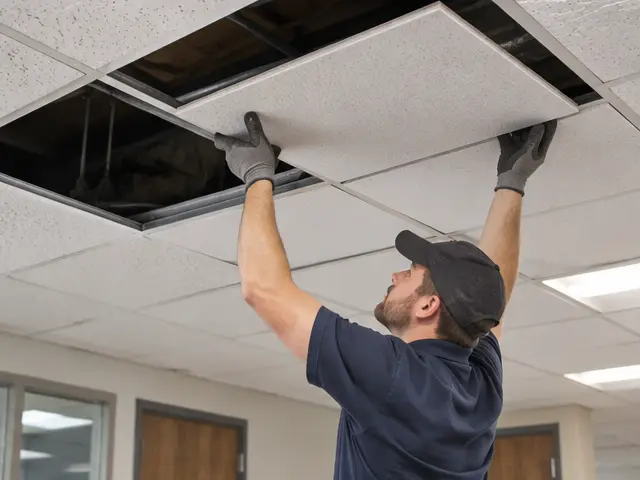
- Finding the source, even when the first sign is a stain two floors down.
- Checking every affected unit, including units next door and below, plus the common areas, with moisture meters.
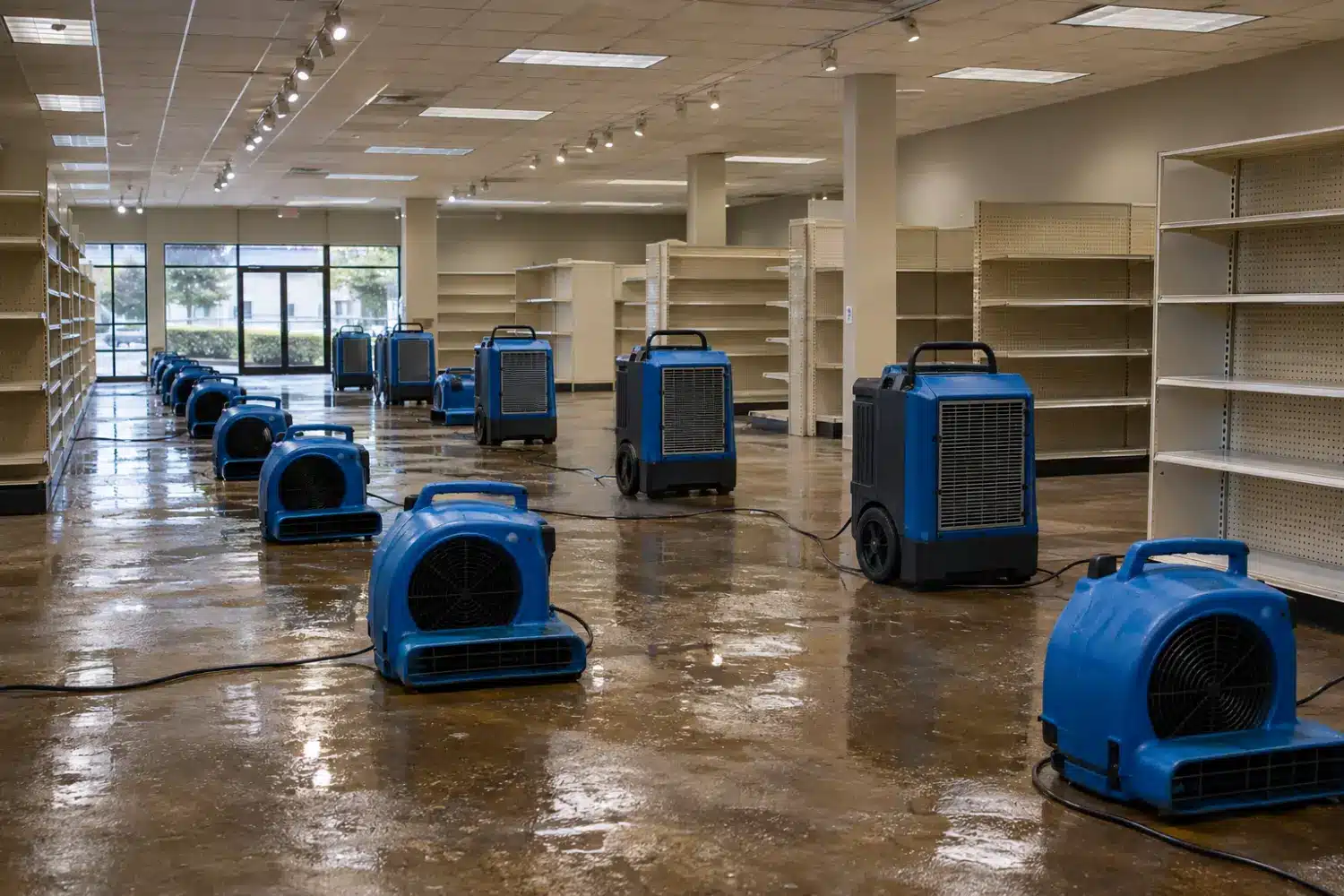
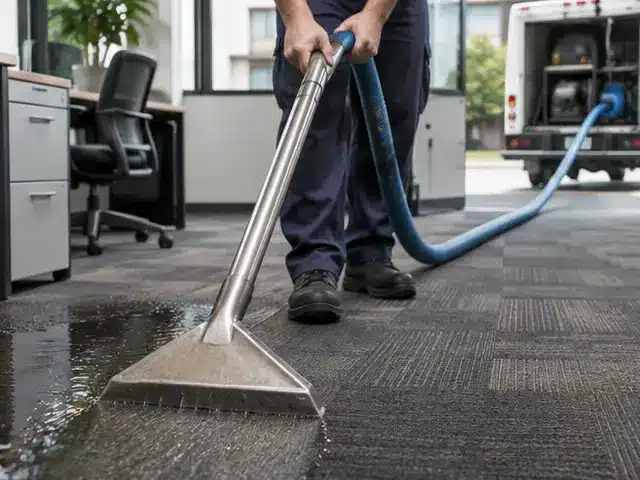
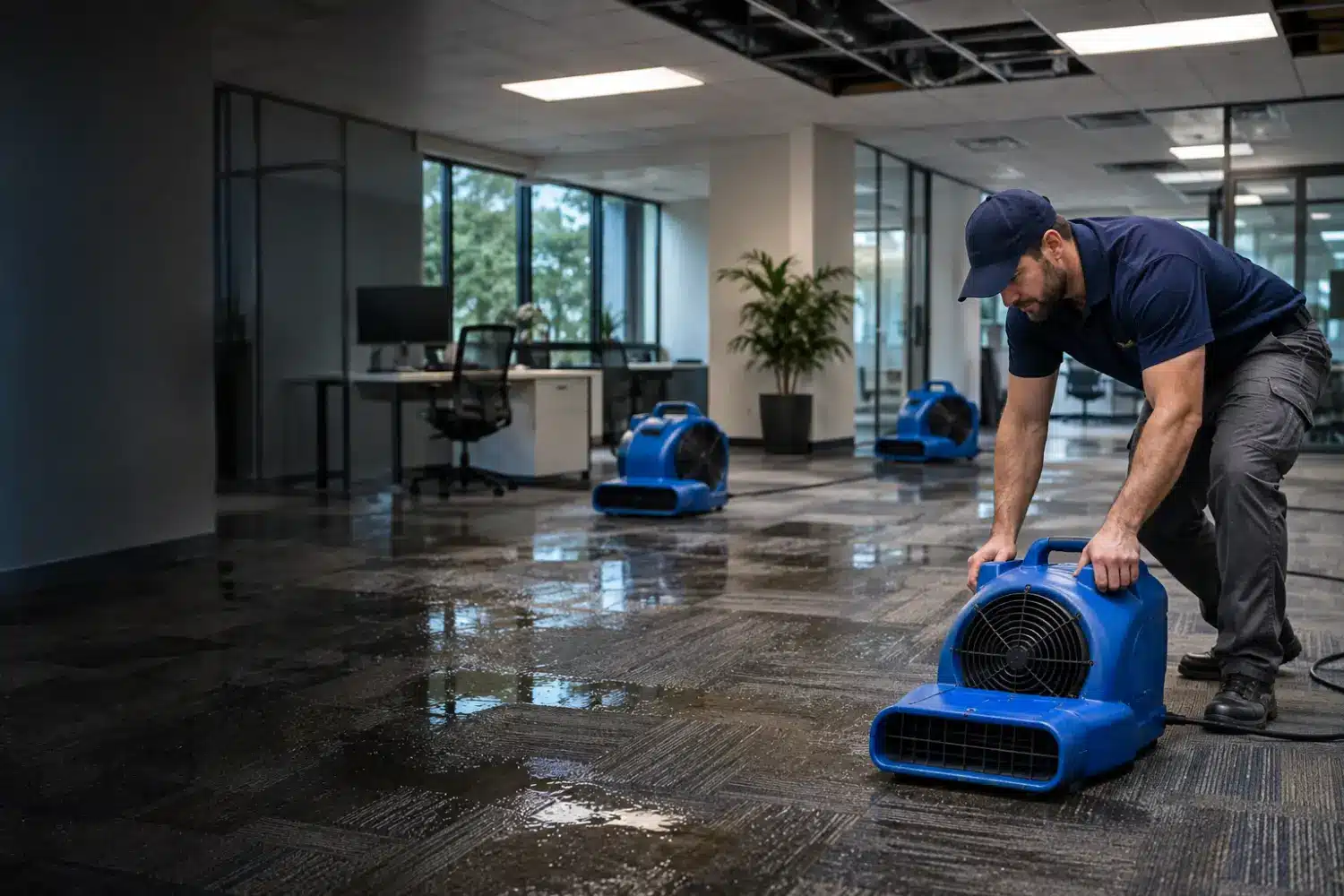
- Extraction and drying with dehumidifiers and air movers, and daily moisture readings in each unit.
- Cleaning and disinfection when the water came from a toilet, drain or sewage backup.
- Repairs to drywall, ceilings, flooring and finishes.
Working with owners, HOAs and property managers
A multi-unit leak can involve the unit owner, the residents below, the HOA or property manager and several insurance companies. We keep it organized:
- Unit-by-unit documentation: photos, moisture readings and an itemized scope for each unit and common area, so each party can see their part of the loss.
- One point of contact for the manager or board, with updates that can be shared with residents.
- Access planning. We coordinate entry to occupied units with the manager and residents, and place equipment to keep hallways and exits clear.
Who pays for which part depends on the association's master policy, the governing documents and each owner's or renter's policy. We do not decide that, but clear records make it easier. Our Washington water damage insurance guide covers the basics.
What residents and managers should do now
- Shut off the water at the fixture or the unit shutoff if you can do it safely.
- Stay away from water near outlets and light fixtures, especially ceiling lights in units below.
- Warn the units below and next door, and notify the property manager or HOA.
- Photograph the damage in every affected unit before cleanup starts.
When to call
Call as soon as water has reached another unit, a ceiling or a common area. Water inside floor and ceiling cavities is easy to miss, and a cavity that stays wet can lead to mold and a second round of repairs. The EPA treats the first 24 to 48 hours as the window for drying wet materials, so checking the units below early matters. We work in apartment and condo buildings in Seattle, Federal Way and Burien, and across King and Pierce counties. See all commercial water damage restoration services, or how we handle office water damage and warehouse water damage.
Call (206) 203-6155 any time, day or night, for a free estimate.