

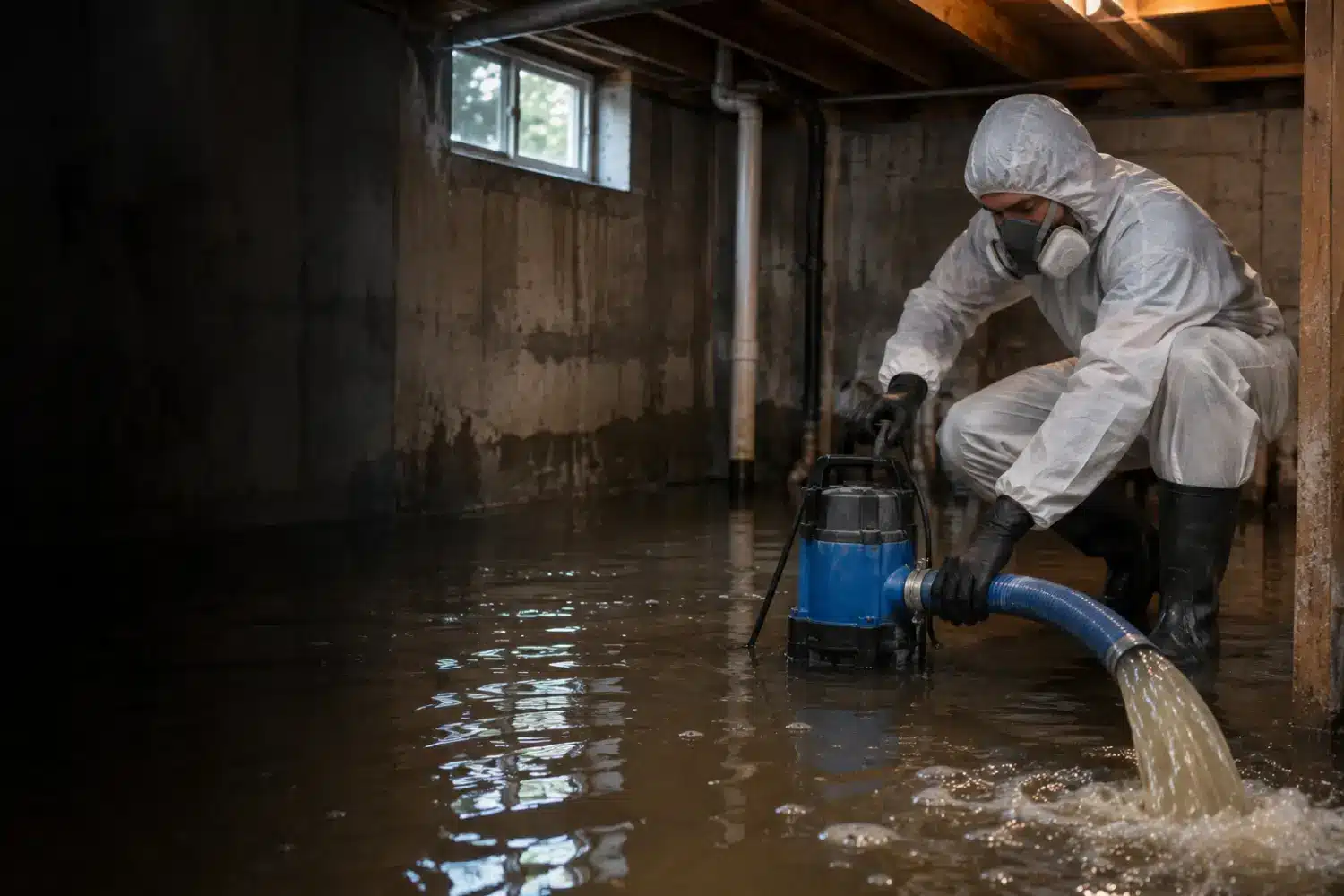
Properties we clean up
- Restaurants and commercial kitchens, where backups often come up through floor drains and floor sinks
- Offices and medical or dental offices, where restrooms and the suites below them are affected
- Apartment, condo and HOA buildings, where one blocked line can reach several units and common areas
- Retail stores, hotels and warehouses, from the Southcenter area in Tukwila to airport-area properties in SeaTac and the Kent Valley
Restaurants: a backup can close the kitchen
For food businesses, sewage is a health code issue as well as a cleanup job. Public Health – Seattle and King County’s closure list has included a Kent restaurant closed for a sewage backup in the kitchen, listed as an imminent health hazard. In 2019 a Federal Way butcher shop was closed for the same reason until the problem was resolved. If sewage reaches food prep or storage, stop service in that area, discard exposed food and call a plumber and us. Ask your inspector what they need to see before you reopen, and we will document the cleaning and disinfection.
Keeping the rest of the building open safely
Sewage is Category 3 water; the IICRC S500 consensus body lists it as grossly contaminated. The goal is to keep it from spreading while the cleanup runs:
- Containment of affected rooms or units, with signs and closed-off access
- Separate paths for our crew and for removed materials, away from customers and tenants
- No shared HVAC running through the affected zone where it can be isolated
- Work scheduled around opening hours where the job allows, with drying equipment left running in the contained area
- Clear communication with the property manager on which areas are closed and when they reopen
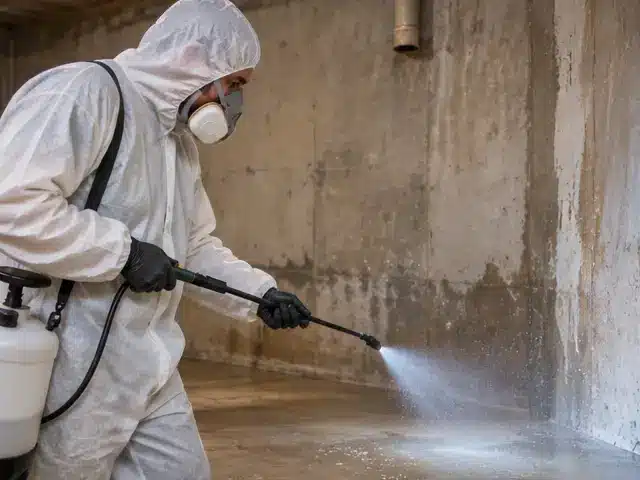
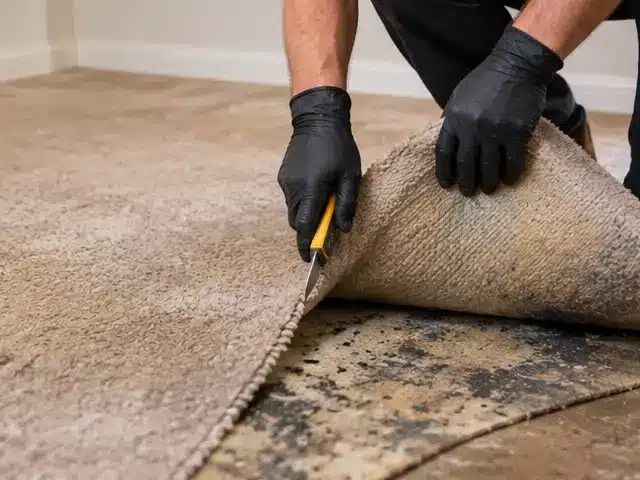
Removal and disinfection follow the same order as our black water cleanup: remove porous materials sewage touched, clean and disinfect what stays, then dry.
What to do right now
- Stop water use in the affected part of the building, and post signs on restrooms and sinks.
- Keep staff, tenants and customers out of the area. Anyone who must enter should wear rubber boots, goggles and gloves, as the CDC advises for sewage cleanup.
- Call a plumber to clear the line. In Seattle, SPU asks you to call a plumber first and contact SPU if the public main is suspected.
- Photograph the damage and note when the backup started.
When to call
Call as soon as sewage is in a kitchen, restroom, tenant unit or common area. For multi-unit overflows that start with one toilet, see toilet overflow cleanup. For backups that reach crawl spaces under low-rise buildings, see crawl space sewage cleanup. For leaks and floods that aren’t sewage, see commercial water damage restoration, and for a full overview, our sewage backup cleanup page. We serve Seattle and businesses across King and Pierce County.
Call (206) 203-6155 for commercial sewage cleanup, 24/7.