

Clean overflow or contaminated overflow?
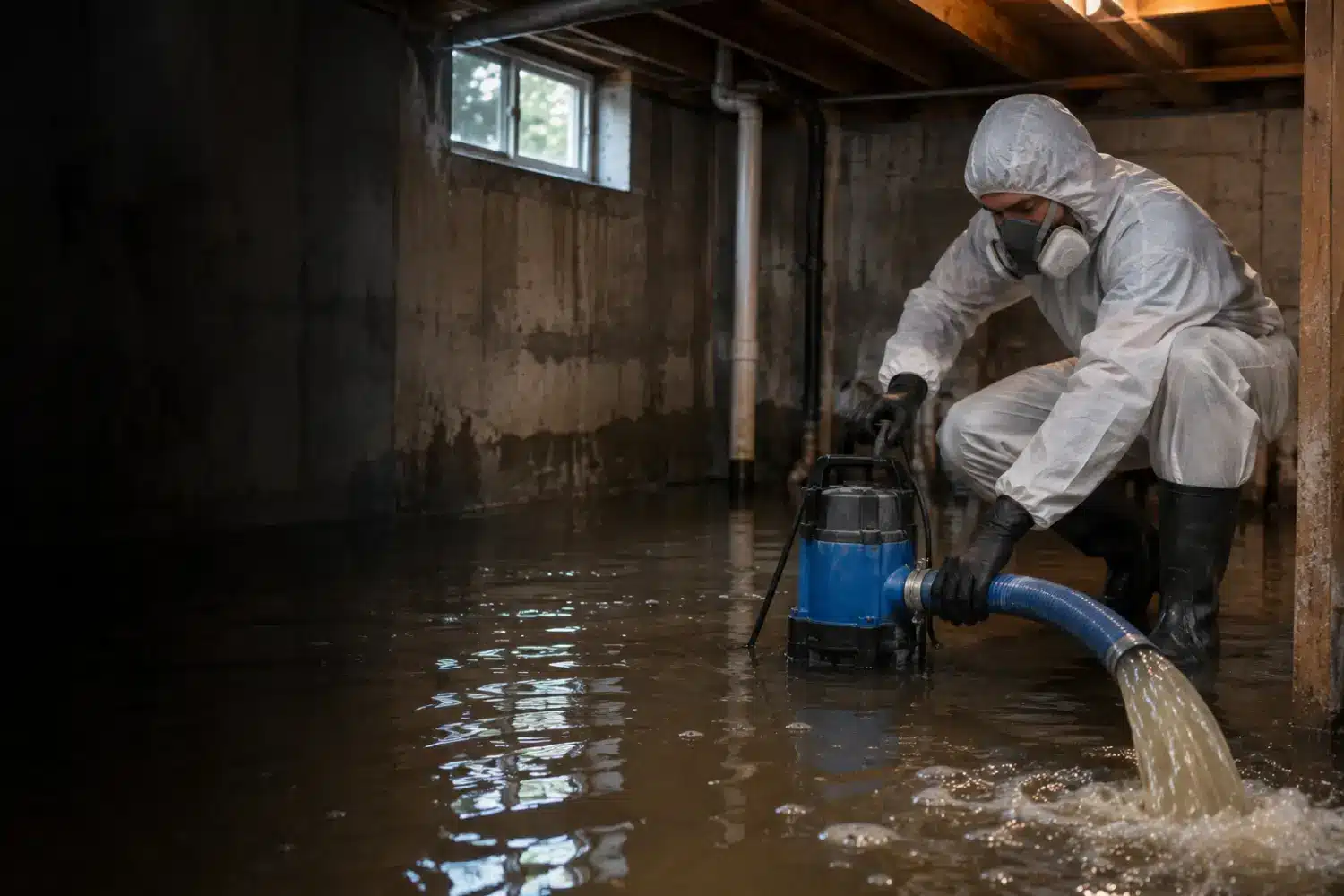
The first question is what was in the water. A toilet that overflows with clean bowl or tank water, from a running fill valve or a clog before anyone used it, is lower risk. It still soaks the subfloor and can lead to mold if it isn’t dried. Water that held urine or feces is contaminated. Water that came up from the drain because the sewer line is blocked is sewage. The IICRC S500 consensus body lists wastewater backflows from beyond a trap as Category 3, whatever the water looks like, and notes that time and temperature can make even cleaner water more contaminated. That is why a “clean” overflow left for a day is no longer clean.
When the water goes through the ceiling below
In many Seattle-area homes, condos and apartments, the bathroom sits over a living room, kitchen or another unit. Water from an overflow runs along the subfloor and joists and shows up as a stain, a drip at a light fixture or a sagging ceiling below. Wet drywall ceilings get heavy and can fall. The insulation above them holds water and stays wet long after the floor upstairs looks dry. A toilet overflow cleanup that only covers the bathroom leaves this damage behind.
What to do right now
- Turn the valve behind the toilet clockwise to stop the water.
- Stop using water in the building if the toilet came up on its own or when other fixtures drain. That means a blocked line. See the Seattle Public Utilities sewer backup guidance: call a plumber first, then SPU if the plumber suspects the public main.
- Cut power at the breaker to lights or fans in a wet ceiling, and stay out from under a sagging ceiling.
- Protect yourself. The CDC advises rubber boots, goggles and gloves for sewage cleanup. Keep children and pets out.
- Take photos of the bathroom, the ceiling below and damaged belongings before anything is moved.
What our toilet overflow cleanup includes
- Moisture mapping of the bathroom floor, walls, subfloor and the ceiling below
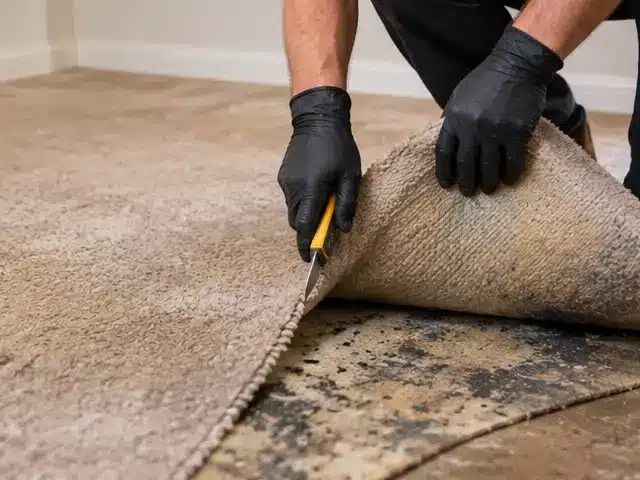
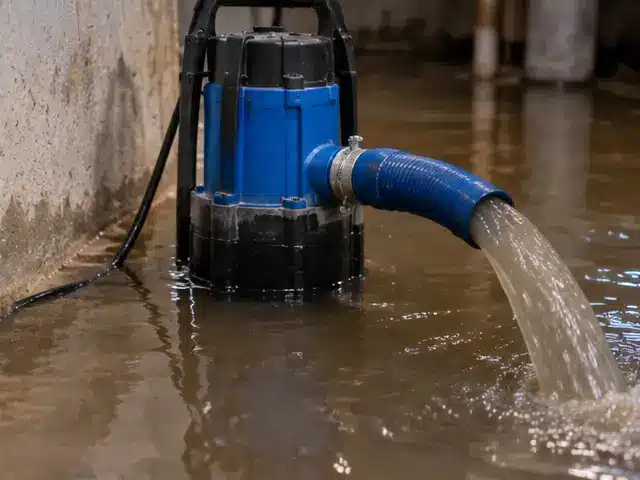
- Water extraction and removal of carpet, pad, baseboards or drywall that can’t be safely cleaned
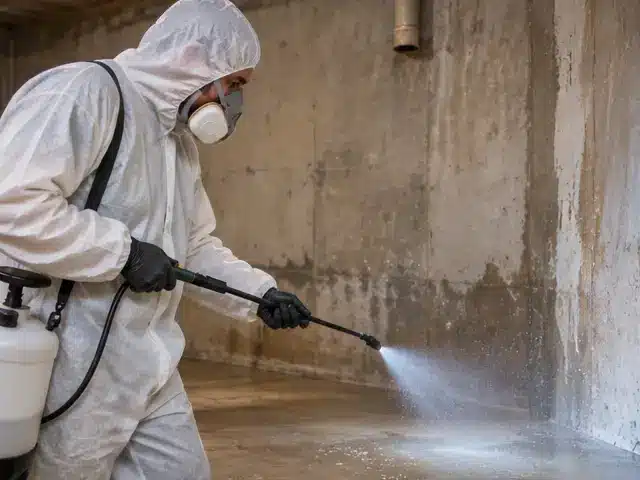
- Cleaning and disinfection of the toilet area, floor, framing and any opened ceiling
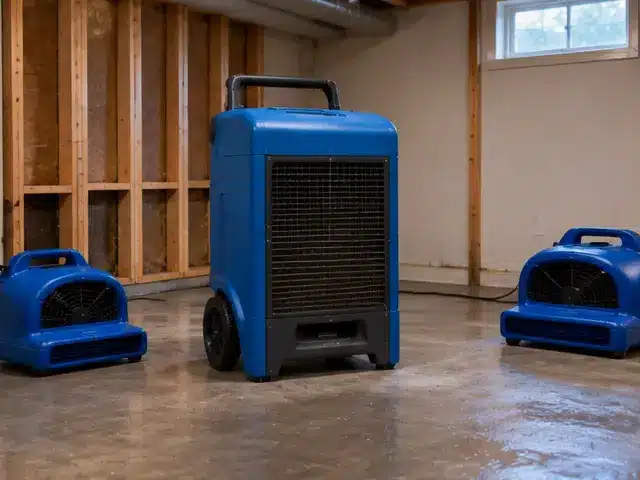
- Drying with dehumidifiers and air movers, checked with daily moisture readings
- Repairs to drywall, ceilings and flooring once the structure is dry
If the overflow came from a backup in the main line, the job becomes a full sewage backup cleanup. If waste water spread across a basement or lower floor, see black water cleanup. In a rental building or office where one toilet affects several units, see commercial sewage cleanup.
When to call
Call us if the water had waste in it, came up from the drain, reached carpet or a wood subfloor, or shows up in the ceiling below. We handle toilet overflow cleanup in Seattle, Federal Way, Renton and across King and Pierce County. For a related problem that also sends water through ceilings, read our guide to frozen and burst pipes in Seattle.
Call (206) 203-6155 for toilet overflow cleanup, 24/7.
If more than one drain is backing up, the problem may be in the sewer line. See sewer backup in Seattle: who is responsible.