Most water damage restoration jobs cost between about $1,400 and $6,400, with a national average of around $3,800, according to HomeAdvisor’s 2025 cost data. Small, clean-water leaks caught early can cost a few hundred dollars; large losses with sewage or many feet of water can run into the tens of thousands. In the Seattle area, labor costs are higher than the national average, so local jobs can land toward the upper end of these ranges. Below is what drives the price, what insurance usually covers, and how to keep the cost down.
Water damage restoration cost at a glance
| Item | Typical national cost |
|---|---|
| Average water damage restoration job | $3,841 (typical range $1,382–$6,357) |
| Category 1, clean water (supply line, faucet, rain) | about $3–$4 per sq ft |
| Category 2, gray water (washing machine, dishwasher, toilet overflow without feces) | about $4–$6.50 per sq ft |
| Category 3, black water (sewage, floodwater from outside) | about $7–$7.50 per sq ft, before replacing contaminated materials |
| Removing about an inch of clean water | $500–$1,500 |
| Mold removal, if mold has started | $1,100–$3,400 (average $2,225) |
| Drywall replacement | $1.50–$3 per sq ft |
Figures are national 2025 averages from HomeAdvisor and are a starting point only. Your price depends on your home and the damage; we give a written estimate after we inspect.
What affects the cost
1. The type of water
Clean water from a broken supply line is the cheapest to deal with. Gray water needs more cleaning. Black water, such as a sewer backup or river and surface flooding, is the most expensive, because porous materials it touched (carpet, pad, drywall, insulation) usually have to be removed and the area disinfected before drying. See sewage backup cleanup.
2. How long the water sat
This is the factor you control most. Water that is extracted and dried within 24–48 hours often means drying materials in place. After that, more materials need to be removed, clean water can become contaminated, and mold can start, which adds a second job to the bill.
3. How much area and which materials
Cost grows with the square footage that got wet and with what got wet. Water that wicks up drywall, runs under hardwood or vinyl plank, or drips into the ceiling of the floor below costs more than water on a concrete basement floor.
4. Where the water went
Crawl spaces, wall cavities and ceilings are harder to dry than open rooms. In many Seattle-area homes, a leak ends up in the crawl space, where wet insulation and vapor barriers usually need replacing.
5. Repairs after drying
Mitigation (extraction, drying, cleaning) and repairs (new drywall, flooring, cabinets, paint) are often priced separately. Older homes with plaster, original hardwood or custom trim can cost more to put back.
Does homeowners insurance pay for water damage?
It depends on where the water came from. As a general rule:
- Sudden and accidental water from inside, such as a burst pipe or failed water heater, is often covered, minus your deductible.
- Gradual leaks and maintenance problems, such as a slow drip under a sink for months, are often excluded.
- Flooding from outside (river, surface water, groundwater) usually needs separate flood insurance.
- Sewer and drain backup usually needs an add-on (endorsement) to your homeowners policy.
Read your policy or call your agent to confirm. Whatever the coverage, photos, moisture readings and a professional report make the claim go more smoothly. We document every job this way and work with most major insurance companies.
How to keep water damage costs down
- Stop the water. Know where your main shut-off valve is, and turn it off as soon as you find a leak.
- Call quickly. The first 24–48 hours decide how much can be dried instead of torn out. We respond 24/7, with an average response time of 45 minutes.
- Document before cleanup. Photos and video of the water and the damage protect your claim.
- Move what you can. Lift furniture legs off wet carpet and move electronics, rugs and boxes to a dry area.
- Don’t rely on fans alone. Household fans dry surfaces, not wall cavities or subfloors. Hidden moisture is what leads to mold and bigger bills later.
- Prevent the next one. Replace old washing machine hoses and water heaters before they fail, insulate crawl space pipes before cold snaps, and keep gutters and downspouts clear.
Is it cheaper to do it yourself?
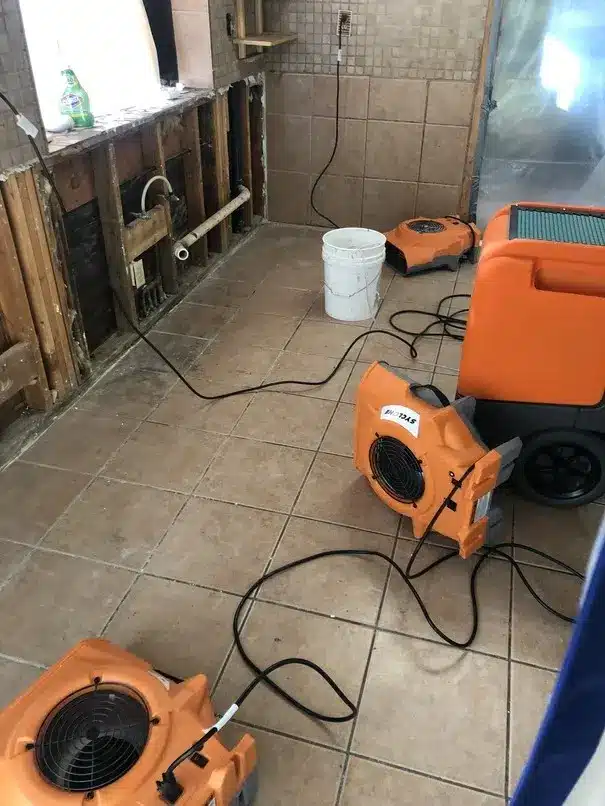
For a small spill of clean water on a hard floor, caught right away, yes: towels, a wet vacuum and good airflow are enough. For anything that soaked carpet, got into drywall, reached the crawl space or came from a sewer or from outside, DIY often costs more in the end, because moisture left inside walls and floors turns into mold and rot. Professional drying uses commercial dehumidifiers and air movers and checks moisture with meters every day until the structure is actually dry.
Get a free estimate
911 Restoration Seattle provides free estimates for water damage restoration across Seattle, Federal Way, Kent, Tacoma and the rest of King and Pierce County. Call (206) 203-6155, 24/7.
FAQs
How much does it cost to dry out a flooded basement?
Basement water damage ranges from a few hundred dollars for a small, clean leak to many thousands for deep water or sewage, mostly depending on the type of water, how deep it got and what the basement is finished with. A finished basement with carpet and drywall costs more than an unfinished concrete one.
How much does sewage backup cleanup cost?
More than clean water, because contaminated materials have to be removed and the area disinfected. National figures put black water removal and drying at about $7–$7.50 per square foot before repairs.
Do I pay the restoration company or does insurance?
If the loss is covered, your insurer usually pays the restoration company directly or reimburses you, minus your deductible. You’re responsible for anything your policy doesn’t cover.
How long does water damage restoration take?
Drying usually takes several days, depending on how much water there was and the materials involved. Repairs come after that and depend on how much had to be removed.
Source: HomeAdvisor, How Much Does Water Damage Restoration Cost (2025 data). Costs are national averages and are not a quote.