

Odor removal starts with the source
A bad smell after water damage, sewage, mold or a fire is a sign that something is still there: residue in a subfloor, wet insulation in a crawl space, soot on surfaces or contaminated material inside a wall. Sprays and air fresheners cover the smell for a while, then it comes back. Our odor removal starts by finding and removing that source. Deodorizing comes after.
In Seattle-area homes, the source is often out of sight. A musty smell in the living area can come from a wet crawl space under the house after a winter storm or an atmospheric river. A sewage smell can come from material left in place after an earlier backup.
Odors we treat
- Sewage odor after a backup, once contaminated materials are removed and surfaces are cleaned and disinfected. See disinfection after sewage and flooding.
- Musty water damage odor from carpet, pad, drywall or insulation that stayed wet too long.
- Mold odor, which usually means active growth or remaining residue. See cleaning after mold removal.
- Smoke odor from soot and smoke residue after a fire. See smoke odor removal and fire damage restoration.
What our odor removal includes
- Finding the source. We inspect and take moisture readings to locate wet or contaminated materials, including in crawl spaces and wall cavities.
- Removing it. Materials that hold the odor and can’t be cleaned, such as soaked pad or insulation, are removed and documented.
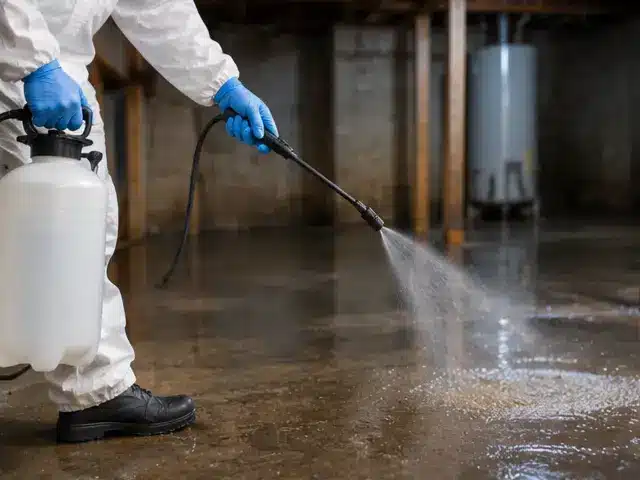
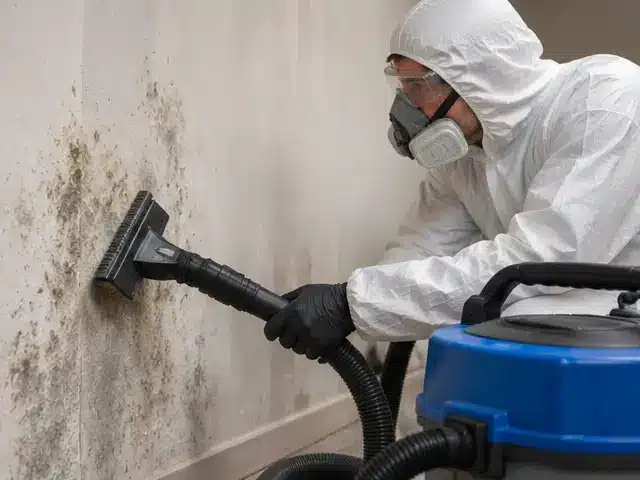
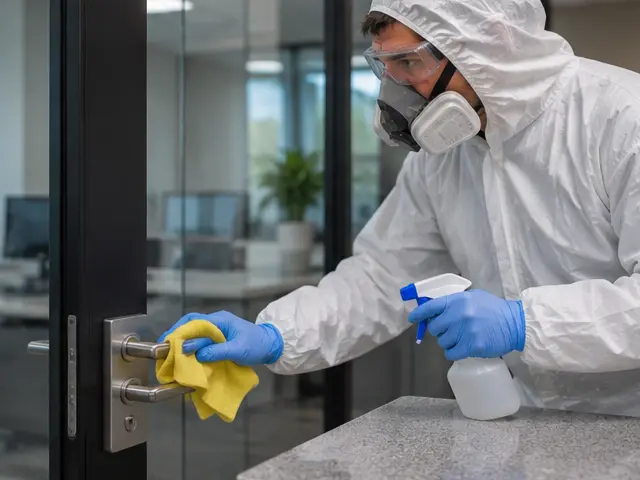
- Cleaning. Affected surfaces are cleaned to remove residue, and disinfected where the source was sewage or floodwater.
- Drying. Odor returns if materials stay damp, so the area is dried and checked with a moisture meter.
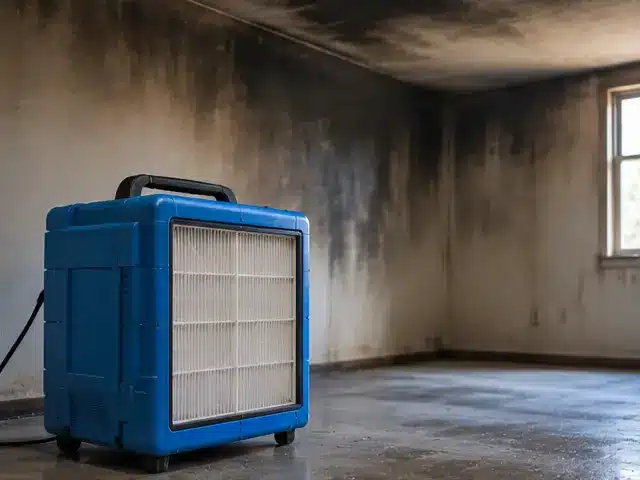
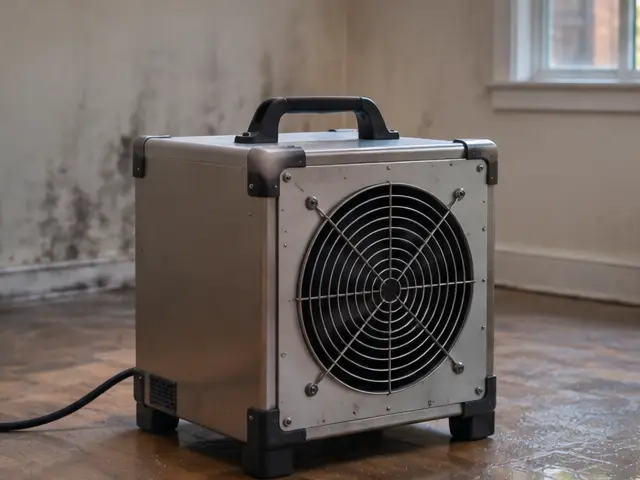
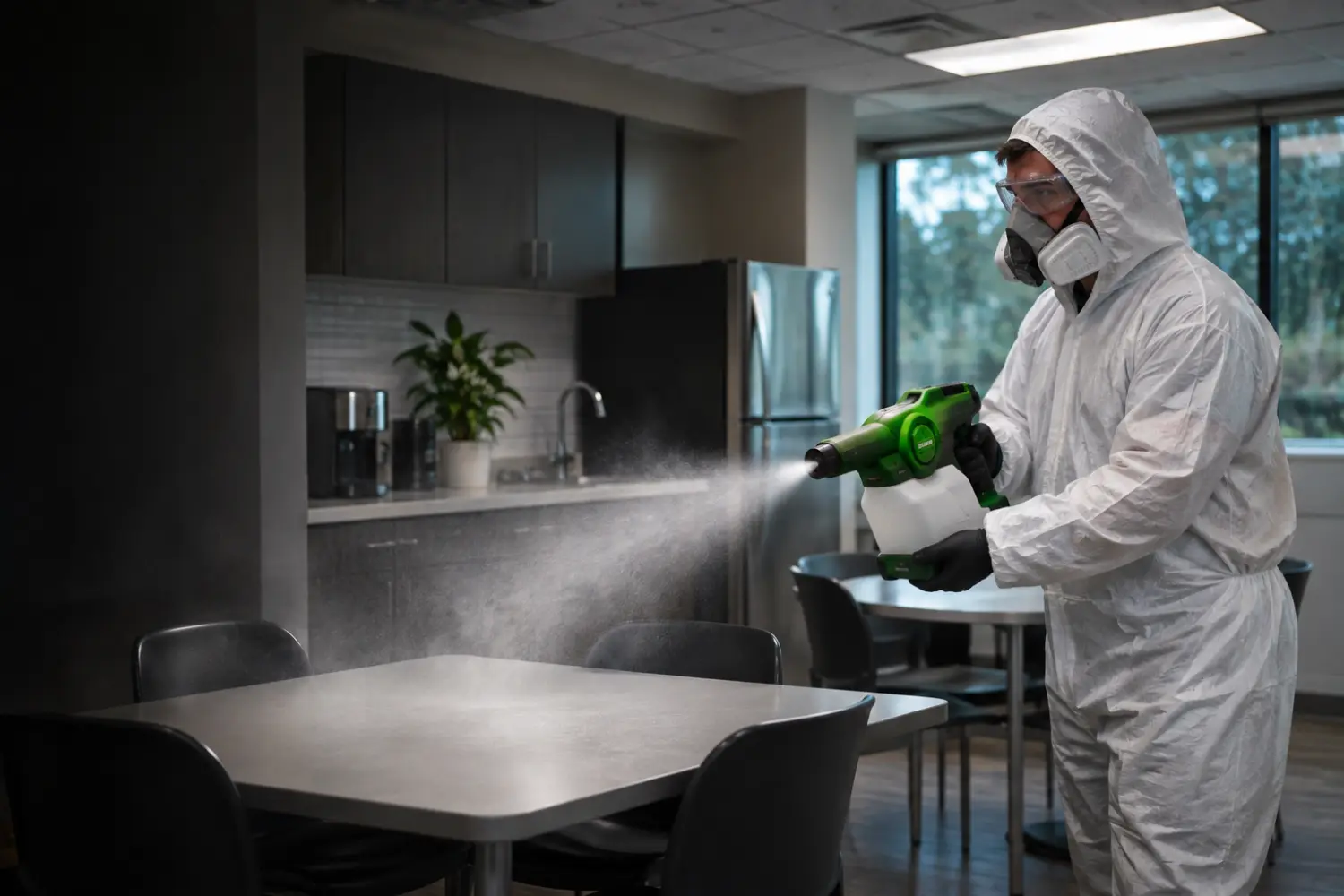
- Deodorizing and air scrubbing. Remaining odor is treated with deodorizing products and air scrubbers.
A note on ozone: some companies sell ozone generators as a quick fix. The EPA says ozone at levels that are safe for people does little to remove odors, that it can irritate the lungs, and that no federal agency has approved these devices for use in occupied spaces. Source removal, cleaning and ventilation work better.
What you can do now
- Don’t seal over a smell with paint or new flooring until the source is found.
- Open windows if the weather allows, but don’t run the HVAC if the odor comes from sewage or mold in the affected area.
- Check obvious spots: under sinks, around the toilet base, the crawl space hatch and the basement floor drain.
- If you smell gas, leave the building and call your gas utility or 911. That isn’t a restoration odor.
Odor removal is part of our sanitization and disinfection services for homes and businesses in Seattle, Renton, Puyallup and across King and Pierce County.
Call (206) 203-6155 to have a lingering odor traced and removed.