

Why cleaning after mold removal matters
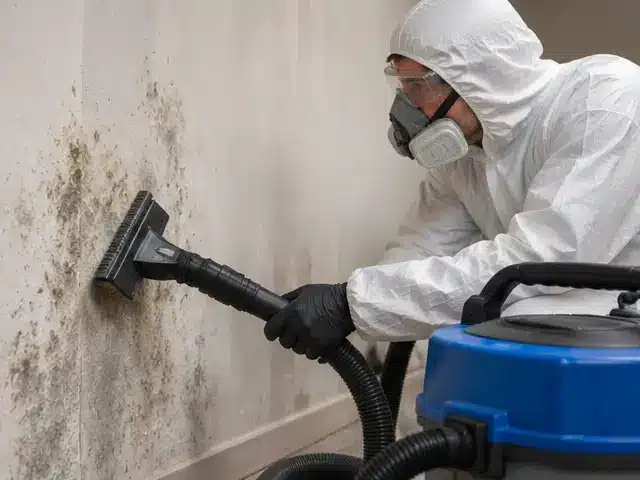
Removing moldy drywall or treating framing is only part of mold remediation. The work itself releases spores and fine dust, and some of it settles on nearby surfaces, inside cabinets and on belongings. Killing mold isn’t enough either. The EPA’s mold remediation guide for schools and commercial buildings notes that dead mold is still allergenic, which is why the goal is to physically remove it. The same guide recommends HEPA vacuums for the final cleanup of remediation areas once materials are dry, and says that when the job is done, visible mold, mold-damaged materials and moldy odors should not be present.
Seattle’s long, wet winters keep crawl spaces, basements and bathrooms damp for months. Many homes find mold after a leak or an atmospheric river has soaked insulation and framing. Thorough cleaning at the end of the job helps keep the problem from showing up again as dust and odor.
What our post-mold cleaning includes
- HEPA vacuuming of framing, subfloors, ledges and every surface inside the work area, after materials are dry.
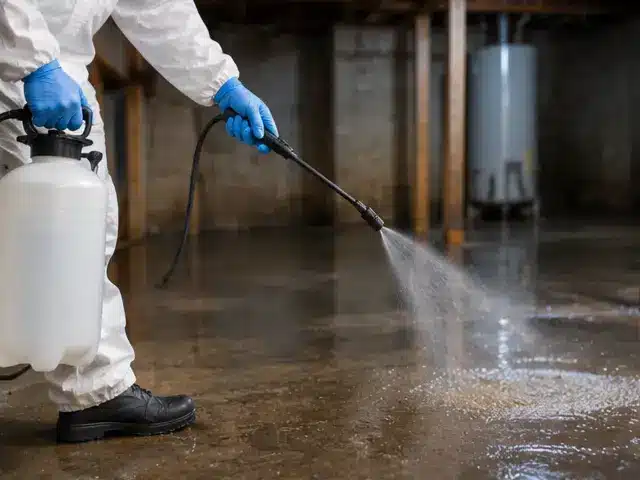
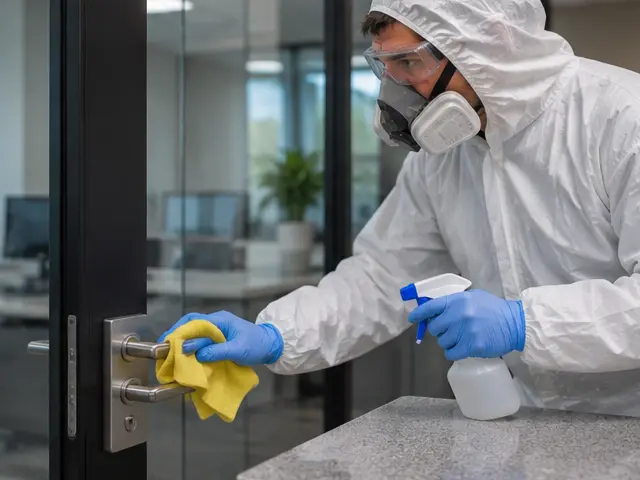
- Damp wiping of hard surfaces to pick up fine dust that a vacuum misses.
- Cleaning outside containment where dust may have settled, such as nearby floors, trim, vents and furniture.
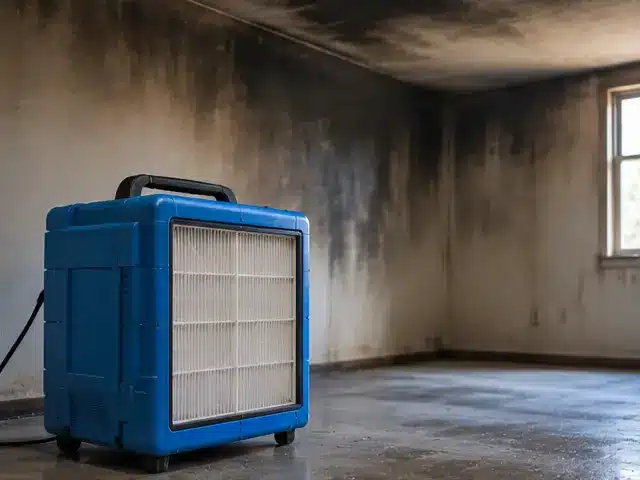
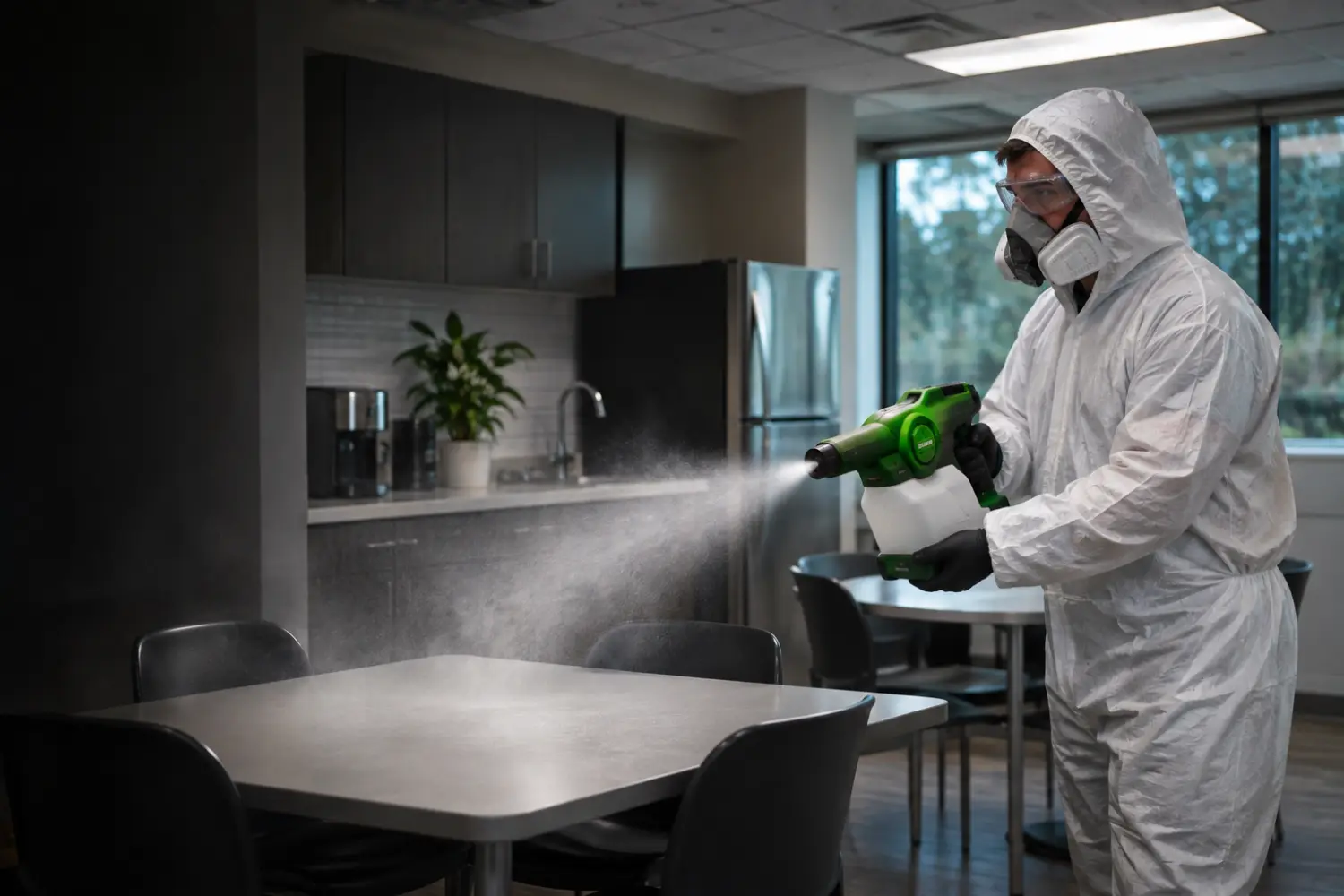
- Air scrubbing with HEPA-filtered air scrubbers to capture airborne particles during and after the cleaning.
- Contents cleaning for hard items that were in the room. Porous items with visible mold growth are usually discarded and documented.
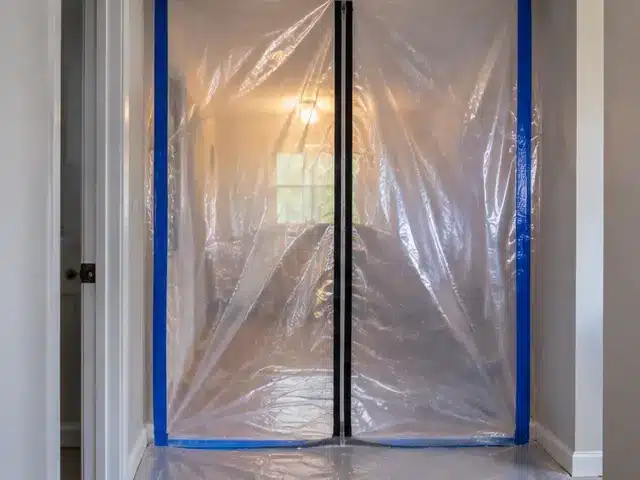
- Final walkthrough to check for visible mold, dust and musty odor before containment comes down.
The removal itself is handled by our mold remediation team. This service is the cleaning that finishes the job, or that follows remediation done by someone else.
What you can do now
- Keep doors to the work area closed, and don’t remove plastic sheeting or containment early.
- Don’t run a regular household vacuum in the area. It can blow fine particles back into the air.
- Turn off forced-air heating or cooling serving the area until it has been cleaned, if you can do so safely.
- Find and fix the moisture source, such as a leak, a wet crawl space or poor bathroom ventilation. Mold returns if the area stays damp.
When to call us
Call if remediation is finished but you still see dust or residue, if you notice a musty smell after the work, or if you had mold removed and want the surrounding rooms cleaned before you move belongings back. If the mold followed sewage or floodwater, the area may also need disinfection after sewage and flooding. Lingering smells are covered by our odor removal service. You can read more about how we approach contamination on our sanitization services page, or learn the signs in our guide to identifying mold in homes and businesses.
We work in Seattle, Federal Way, Tacoma and nearby cities.
Call (206) 203-6155 to schedule cleaning after mold removal.