

Safety first with a wet ceiling
The Red Cross lists sagging ceilings among the hazards to watch for during water damage cleanup. A bulging ceiling can be holding a lot of water, and drywall loses its strength when wet. If you see one:
- Clear the room and move furniture and electronics out from under it.
- Turn off power to that area at the panel if water is near a light fixture or fan and you can reach the panel from a dry spot.
- Stop the source. Shut off the fixture or the main water valve, or contact the unit above.
- Put down buckets and plastic to catch drips, and take photos before anything is removed.
Where the water comes from
- Bathrooms upstairs: toilet overflows, tub and shower leaks, failed supply lines.
- Appliances and water heaters on upper floors or in attics.
- Units above in condos and apartment buildings.
- Roof leaks during long winter rains and windstorms, often through flashing, vents or skylights.
- Frozen pipes in attics and exterior walls that split during a cold snap.
In Seattle, long winter storms and wind-driven rain push water through roofs and around windows, and it often travels along rafters before it shows on a ceiling. For plumbing sources, see burst pipe and leak cleanup.
Drying vs. replacing drywall
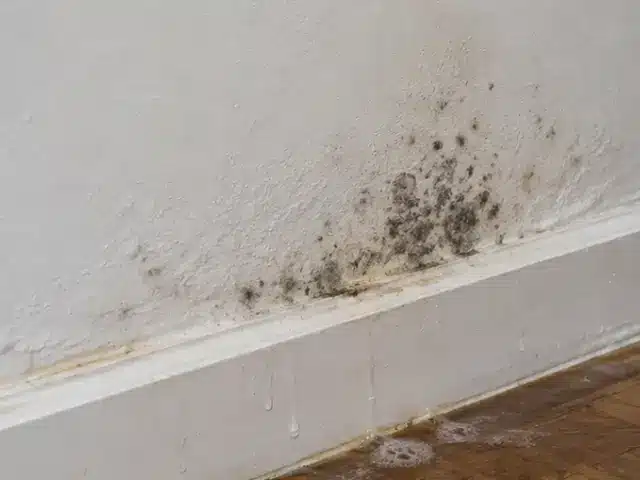
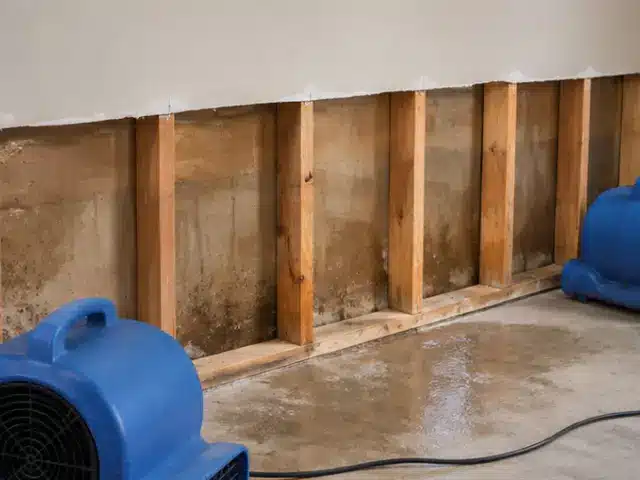
Not every wet ceiling has to come down. The EPA says that if wet materials are dried within 24 to 48 hours, in most cases mold will not grow. Firm, flat drywall wet with clean water can often be dried in place. We cut out drywall that is sagging, crumbling or swollen at the seams, and ceilings with wet insulation above them, since soaked insulation holds water against the drywall. Water from contaminated sources is handled more strictly; the Red Cross advises removing drywall and insulation that has been in contact with flood waters.
What our repair includes
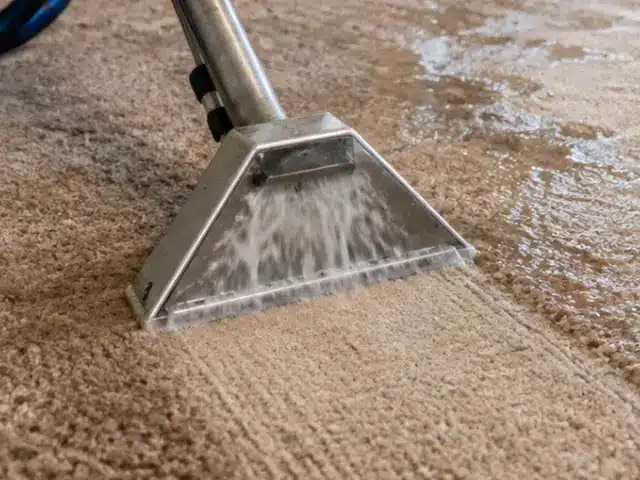
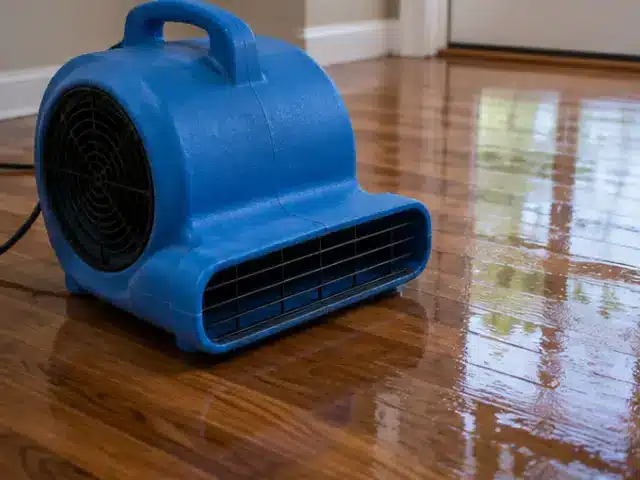
We trace the water with moisture meters in the ceiling, the walls below and the floor, since water that came through a ceiling usually reaches the floor too. Where there is standing water on the floor, we extract it first. Then we dry the framing, replace insulation and drywall, and tape, texture, prime and paint. If water ran down to a lower level, see flooded basement cleanup. Ceiling repairs are part of our full water damage restoration service.
When to call
Call right away if a ceiling is sagging or dripping, if water is near light fixtures, or if a stain keeps growing. Call too if a stain came back after painting, or you notice a musty smell, since that usually means moisture is still trapped above the drywall.
We repair water-damaged ceilings and walls across Seattle, Burien, Renton and nearby cities.
Call (206) 203-6155 for ceiling and drywall water damage repair, 24/7. Estimates are free.