

Why Seattle basements flood
Most basement flooding in the Puget Sound area happens during winter storms. NOAA describes atmospheric rivers as long bands of water vapor that are common along the West Coast in winter. When one stalls over Western Washington for several days, the soil saturates and gutters, storm drains and yards can’t keep up. Water then finds the low point of the house.
- Groundwater seeping through foundation cracks and the joint where the floor meets the wall.
- Window wells that fill with rain and overflow through the window.
- Downspouts and grading that send roof water toward the foundation.
- Sump pumps that fail, lose power or can’t keep up.
- Floor drains that back up when the sewer is overloaded.
Our guide to atmospheric river flooding in Seattle covers each of these and how to prepare before the next storm.
Clean water or contaminated water?
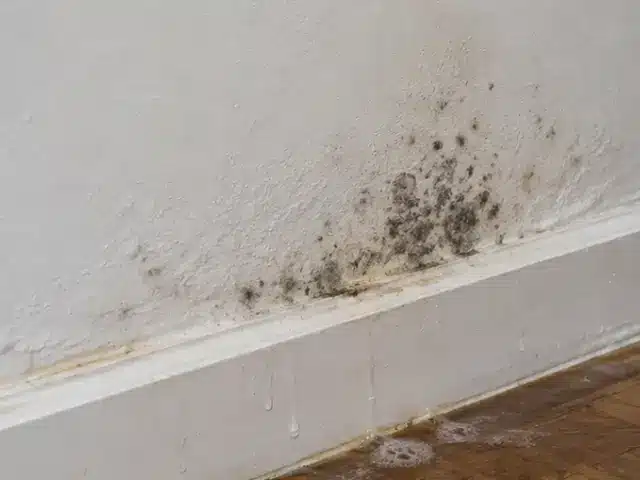
This decides what can be saved. The CDC warns that floodwater can carry germs and chemicals. Rainwater and groundwater from outside are treated as contaminated, so carpet, pad and other porous materials they soaked are usually removed and the area is disinfected. If the water came up through a floor drain or toilet, or smells like sewage, it needs sewage backup cleanup, not just drying. Water from a burst pipe or appliance leak starts clean and more materials can often be dried in place if we start quickly.
What to do now
- Stay safe. Don’t step into water that may be touching outlets, cords, a furnace or a water heater. Turn off power only if you can reach the panel from a dry spot.
- Stop the water if you can. Check that the sump pump is running, clear window well drains and point downspouts away from the house.
- Document it. Photograph the water level, walls and belongings before moving anything.
- Move belongings to a dry floor, and keep children and pets away.
What our basement cleanup includes
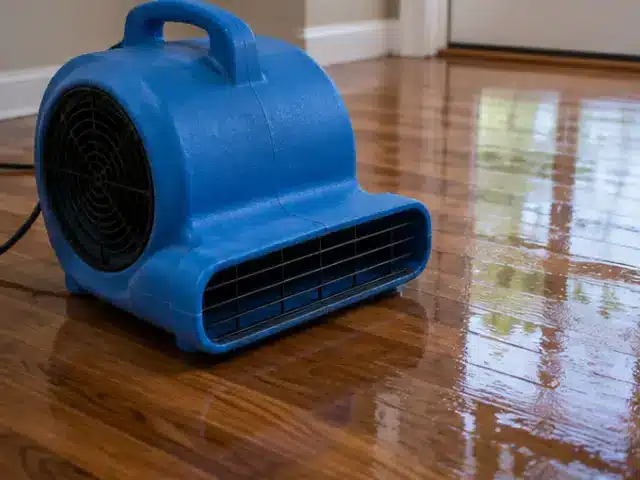
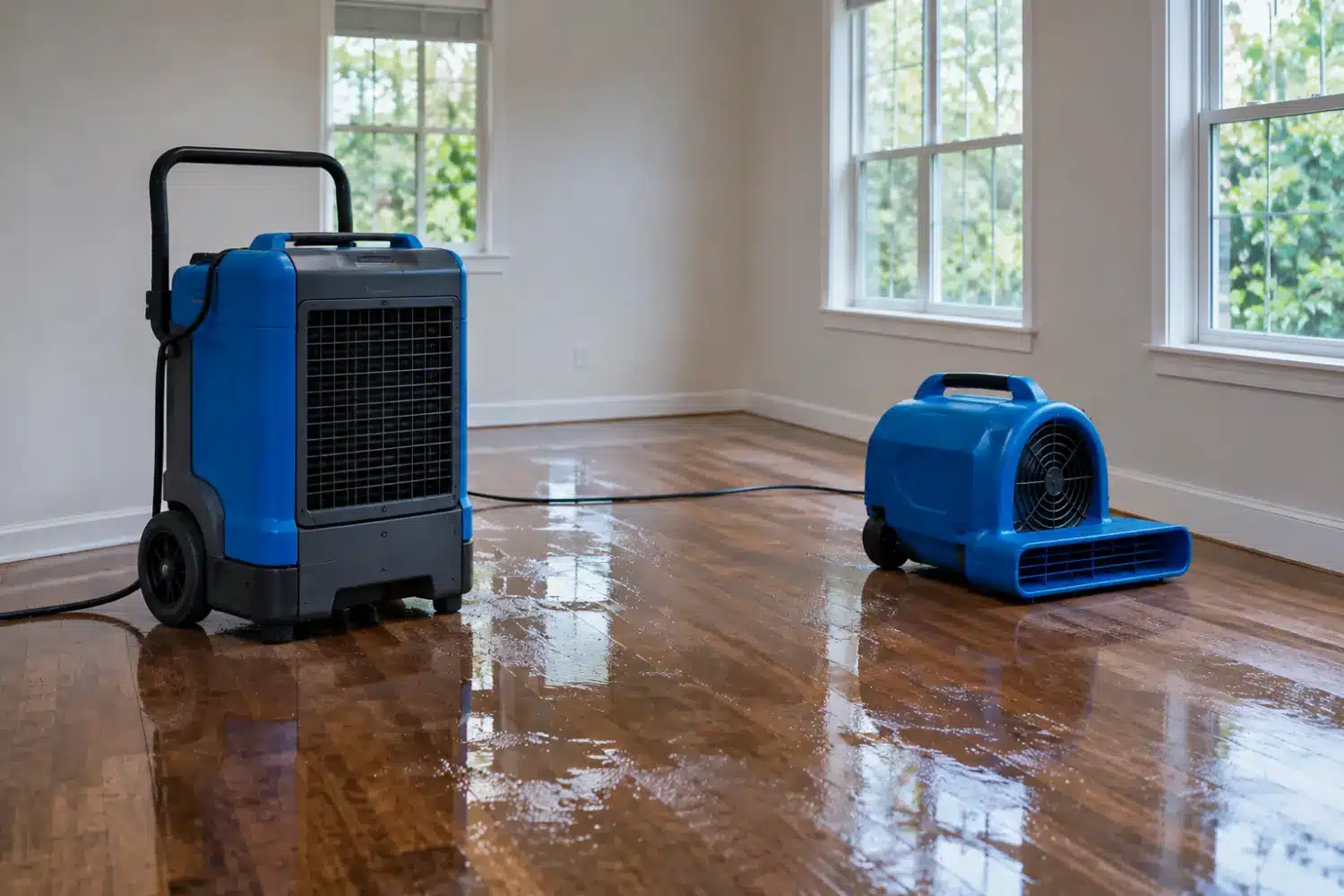
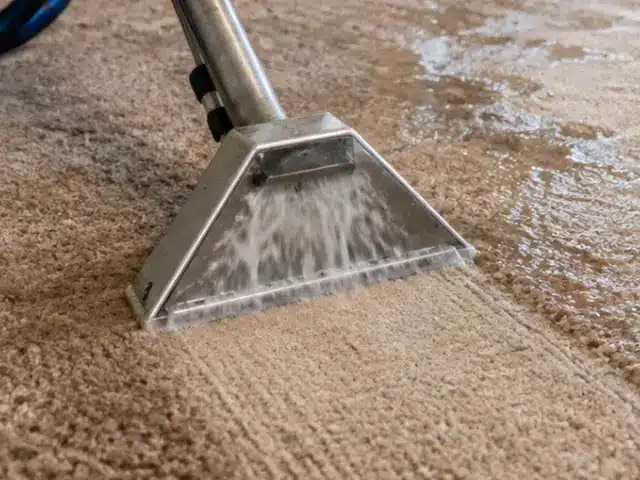
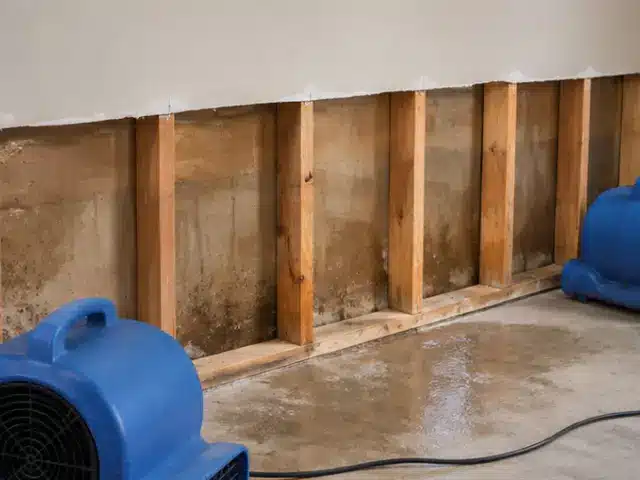
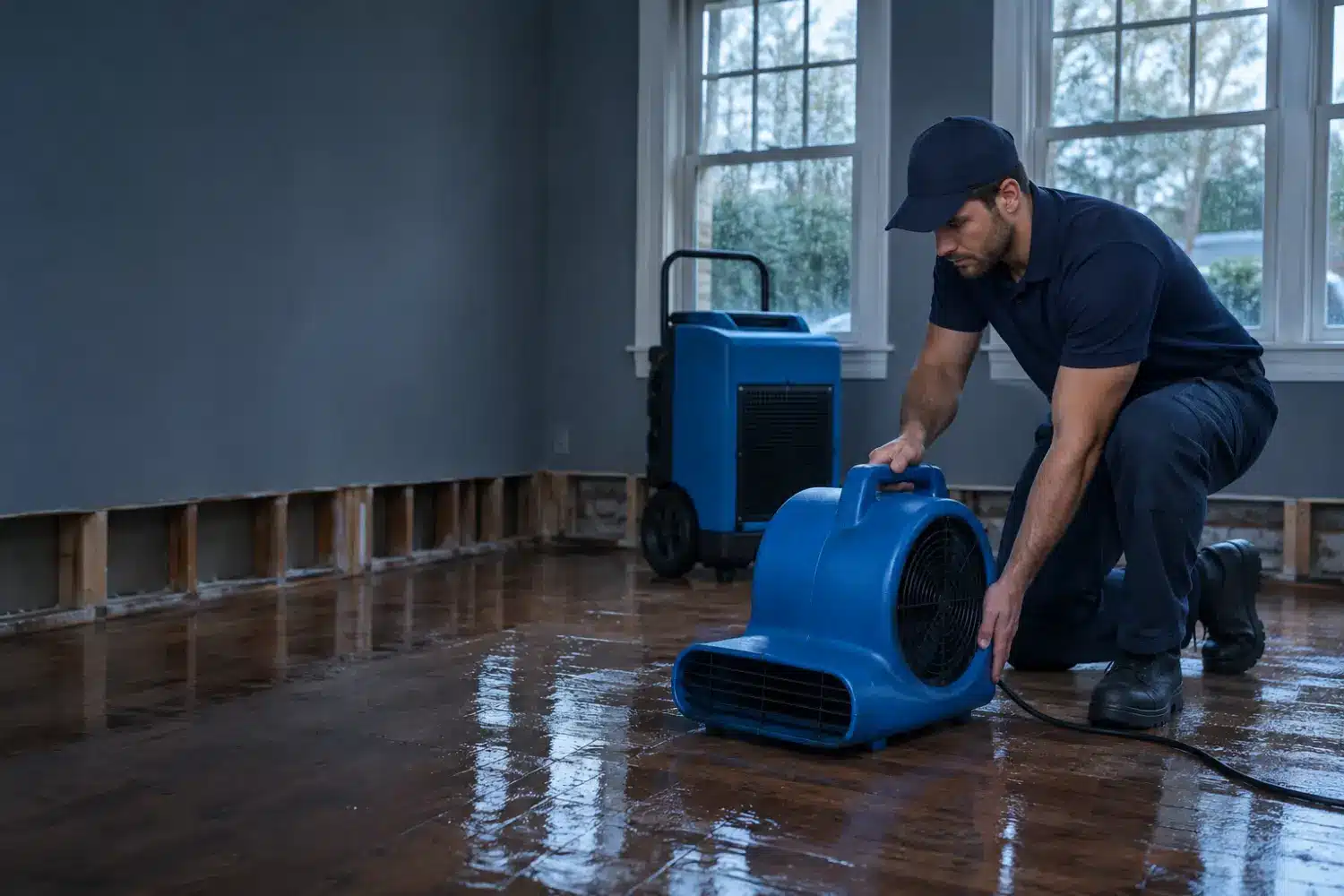
We pump out and extract the water, remove wet carpet, pad, drywall and insulation where needed, and dry the concrete slab, walls and framing with commercial dehumidifiers and air movers. Moisture readings each day confirm when it is dry. Then we clean, treat for mold and odor where needed, and rebuild. The EPA advises drying water-damaged materials within 24 to 48 hours to prevent mold, so call early. If water also reached the space below the house, see crawl space cleaning. All of it is part of our water damage restoration service.
When to call a professional
Call if the water is more than an inch or two deep, covers more than one room, soaked carpet or drywall, came from outside or a drain, or keeps coming back with each storm. A household fan and dehumidifier can handle a small, clean spill, but they can’t dry a soaked slab, wall cavity or carpet pad.
We clean up flooded basements across Seattle, Kent, Auburn and nearby cities.
Call (206) 203-6155 for flooded basement cleanup, 24/7. Estimates are free.