

Why vapor barriers matter in Seattle
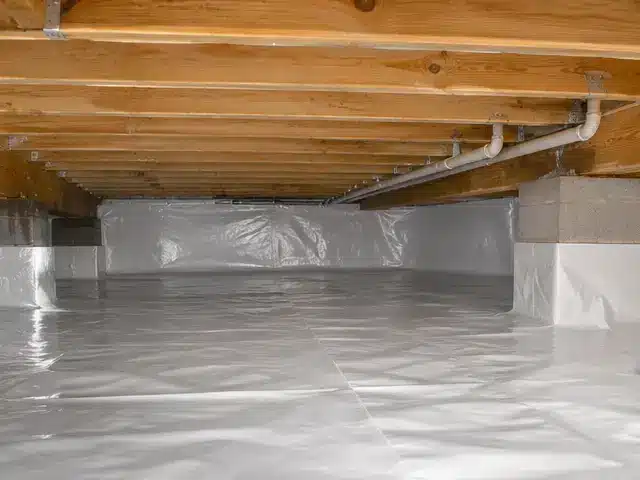
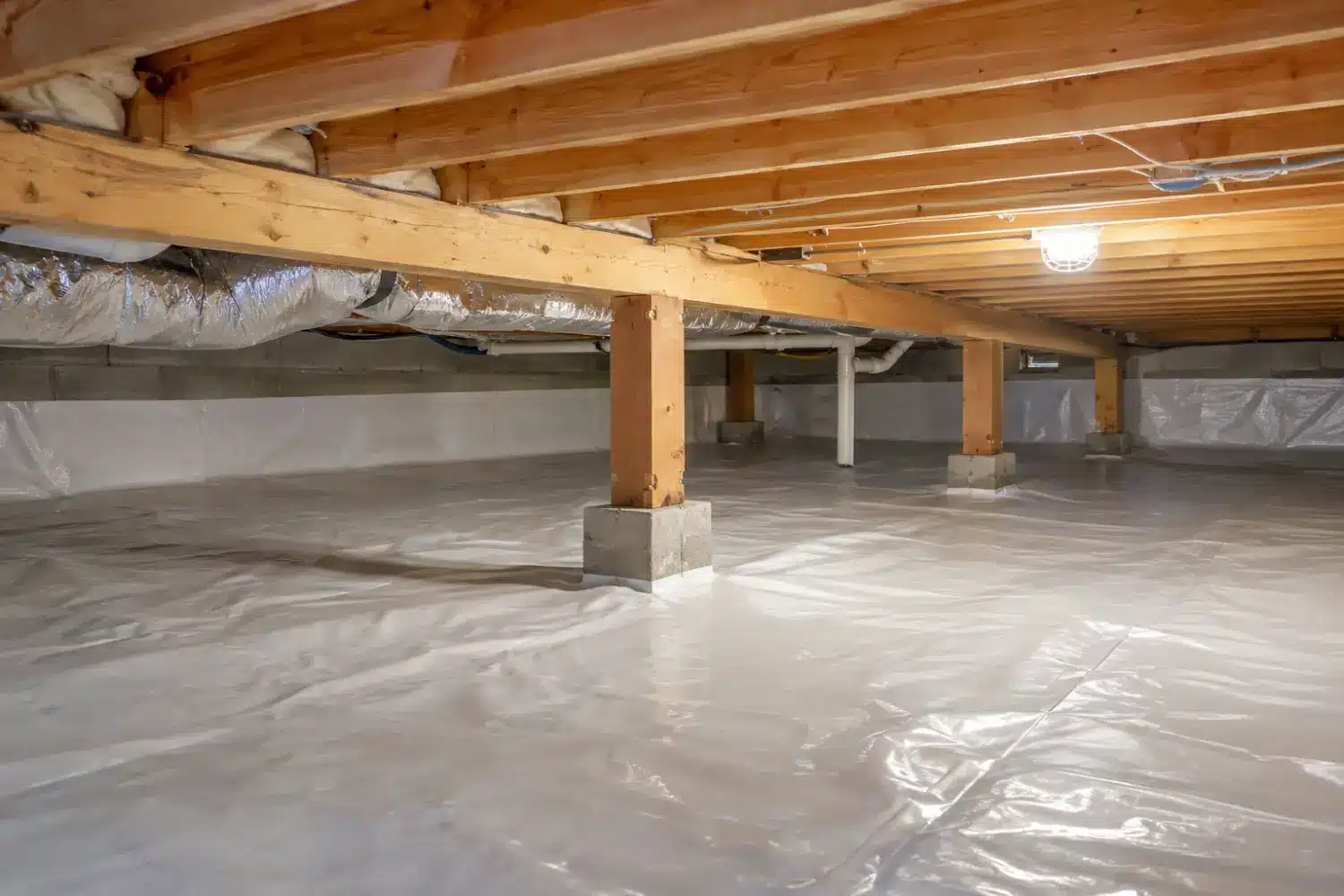
Many older homes around Seattle sit over a vented crawl space with a bare dirt floor. During the long wet season, the soil stays damp and moisture rises into the floor framing and insulation. The Department of Energy’s Building America Solution Center explains that a polyethylene ground cover acts as a capillary break and vapor barrier that keeps ground moisture and soil gases out of the crawl space, and that it should be installed whether the crawl space is vented or unvented.
The same source notes that in vented crawl spaces, bulk water from poor grading or drainage is often the main moisture source. A barrier is one part of a dry crawl space, not the whole answer.
When to replace your vapor barrier
- The plastic is torn, bunched up or missing in sections
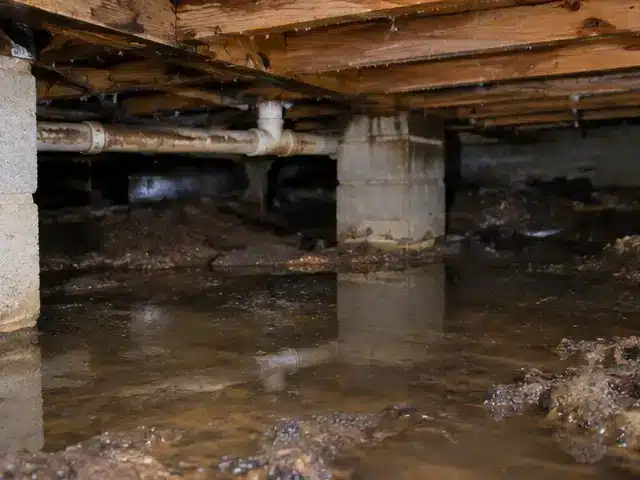
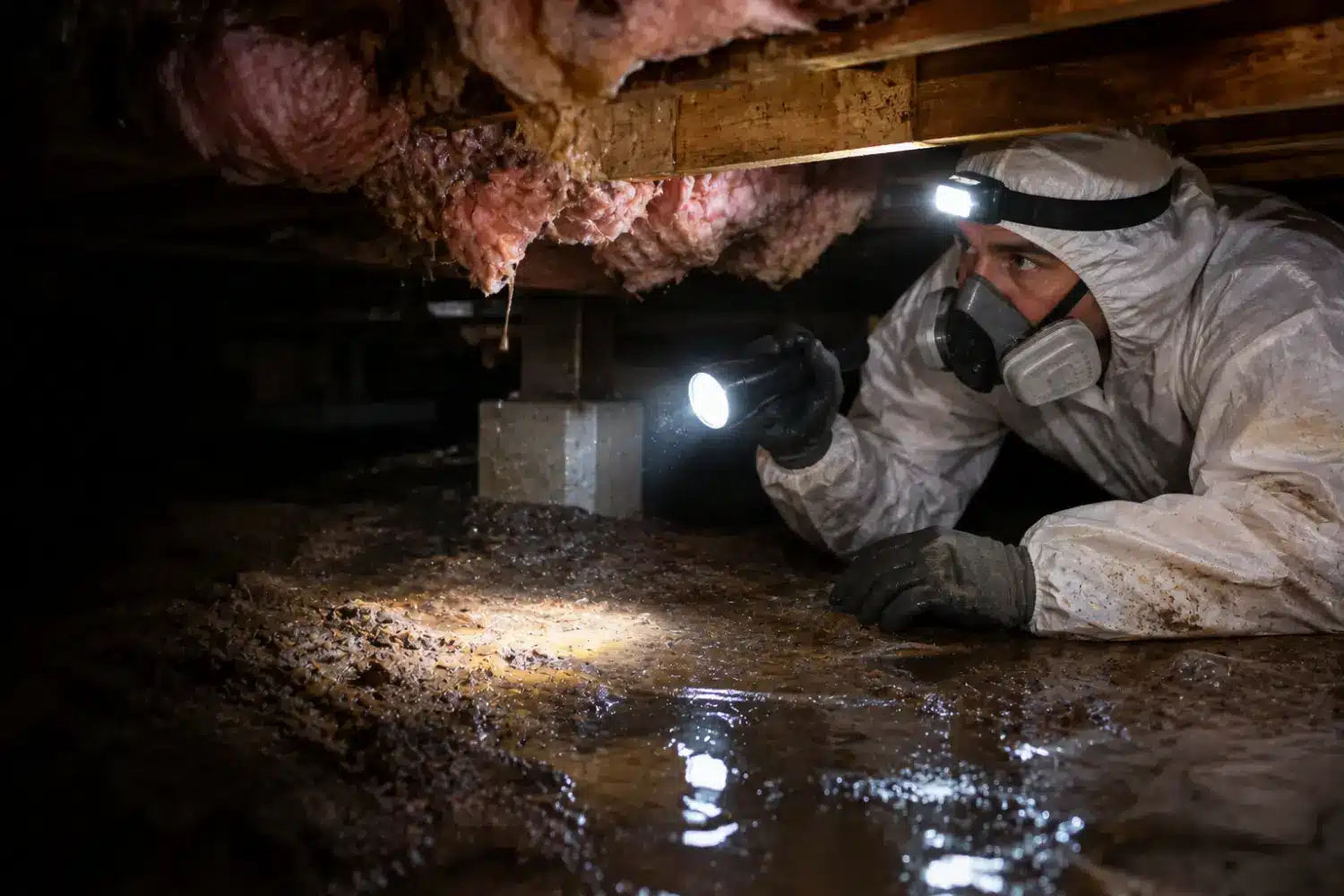
- There is water, mud or debris on top of the barrier
- The crawl space flooded or had a sewage leak
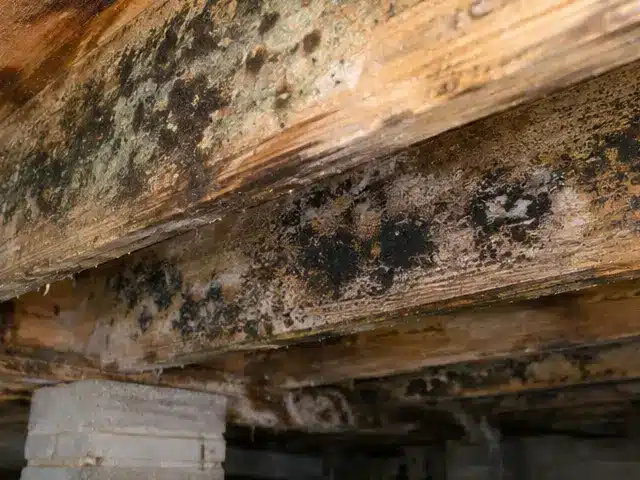
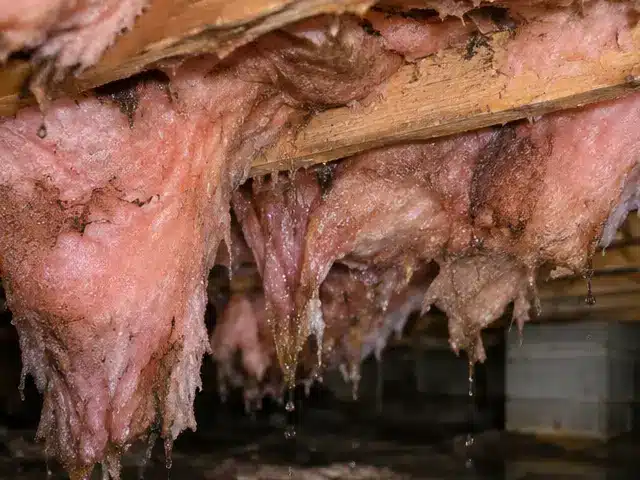
- You see mold on the joists or subfloor, or smell mustiness in the house
- Insulation above is wet or falling down
What our vapor barrier service includes
- Inspection of the existing barrier, moisture levels, mold, insulation and pest contamination.
- Preparation. Standing water is pumped out and the space is dried. See crawl space water removal. Mold on the framing is cleaned and treated. See crawl space mold removal.
- Removal of the old vapor barrier, debris and damaged insulation. See crawl space insulation removal.
- Installation of a new vapor barrier, and insulation replacement where needed.
- Recommendations on drainage or ventilation problems that let water in.
For the full list of services under the house, see our crawl space cleaning page.
Why we never lay plastic over a problem
A new barrier over wet soil, old debris or moldy insulation hides the problem instead of fixing it. Moisture stays trapped, and the next inspection finds the same mold on the joists. That is why the barrier is the last step, after water removal, cleaning and drying. It is also why we check the space again before installing, so the new barrier starts on a clean, dry floor. We also note any drainage issues we see along the way.
What you can do now
Clean gutters, extend downspouts so water lands away from the foundation, and check that the soil slopes away from the house. Look through the access hatch after heavy rain. If you see standing water, call before a new barrier goes in. Our atmospheric river flooding guide has more storm preparation tips.
We install crawl space vapor barriers in Seattle, Puyallup, Lakewood and the rest of King and Pierce County.
Call (206) 203-6155 any time, day or night, for a free estimate.