

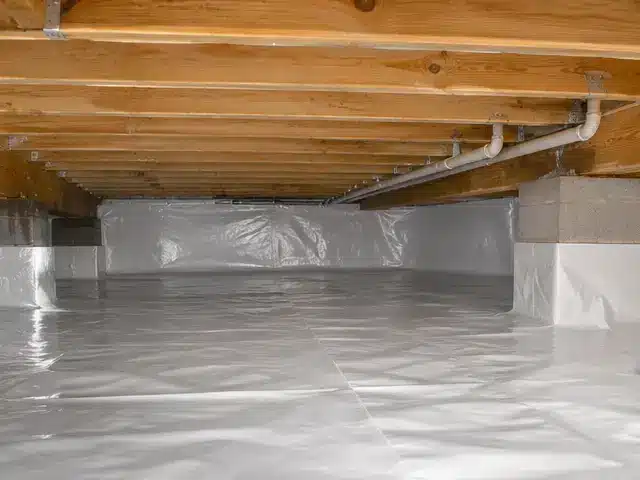
Why Seattle crawl spaces flood
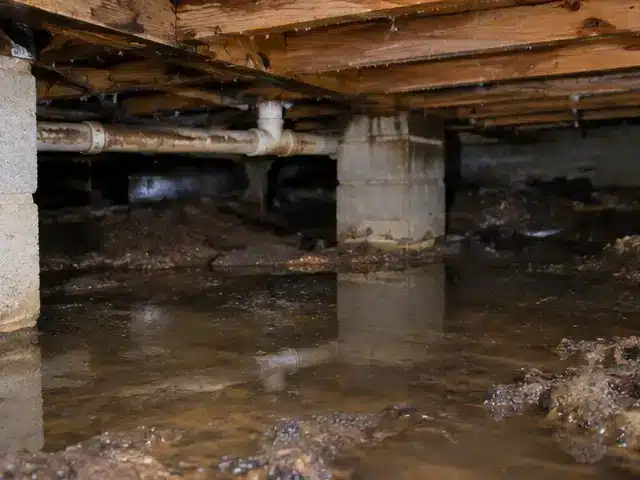
Many homes around Seattle sit over a vented crawl space with a dirt floor. During the wet season, groundwater and poor drainage push water under the house. The biggest storms are often atmospheric rivers. NOAA notes that these events are common on the West Coast in winter and can stall over a region for several days, which can cause flooding. When that happens, gutters and storm drains fall behind and water collects under the floor. Our guide to atmospheric river flooding in Seattle covers what to do during a storm.
Not every flooded crawl space is a weather problem. A broken supply line, a failed sump pump or a leaking drain line under the house can fill the space quickly, even on a dry day.
What to do right now
- Stay out if power may be in contact with water. Furnaces, ducts, wiring and outlets often run through crawl spaces. If you can reach the breaker without touching water, shut off power to the area.
- Stop the source if you can. If the water is from a pipe, shut off the main water valve. If it is rain, clear gutters and point downspouts away from the foundation.
- Treat unknown water as contaminated. Floodwater or a sewer line leak can carry bacteria. Do not go in without gloves and boots, and keep children and pets away.
- Take photos through the access hatch before anything is moved.
What crawl space water removal includes
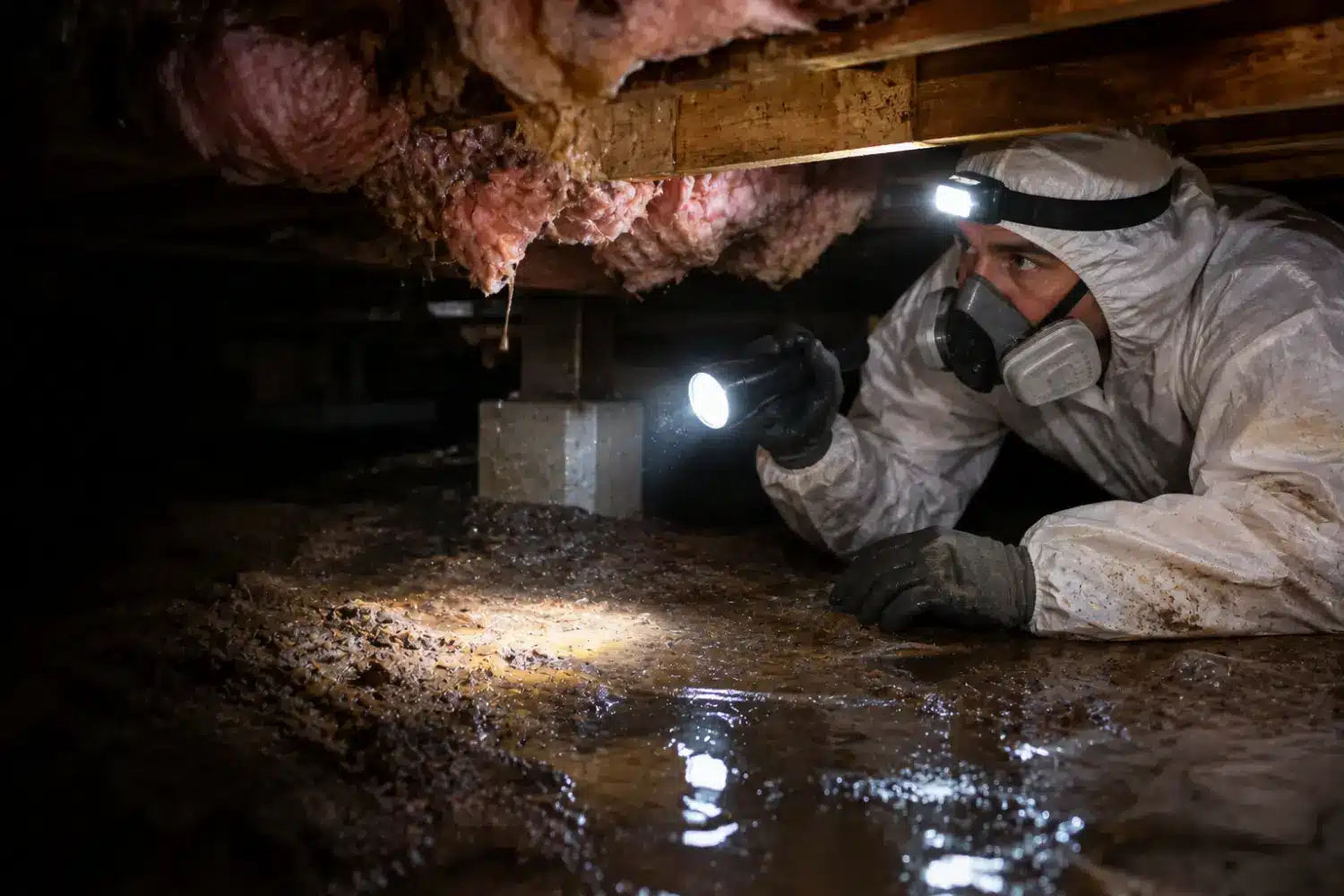
- Inspection of water depth, the likely source, moisture levels, insulation and the vapor barrier.
- Pumping standing water out of the crawl space.
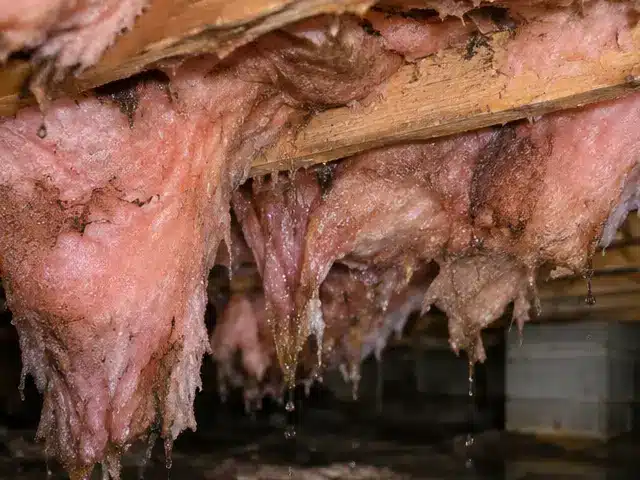
- Removal of soaked materials, such as wet insulation, old vapor barrier and debris. See crawl space insulation removal.
- Structural drying of the soil, framing and subfloor with dehumidifiers and air movers, checked with moisture meters.
- Next steps, such as mold treatment if growth has started, and a new crawl space vapor barrier. We also point out drainage or ventilation problems that let the water in.
This page covers getting water out and drying the space. For the full range of services under the house, see our crawl space cleaning page.
When to call a professional
The EPA advises drying water-damaged areas within 24 to 48 hours to prevent mold growth. Fans and a household dehumidifier rarely dry a crawl space that fast. Call us if:
- You can see standing water through the hatch, or the soil is soaked.
- Insulation is hanging down or lying in water.
- The house smells musty, or floors feel damp, cold or soft.
- The water may be sewage or floodwater from outside.
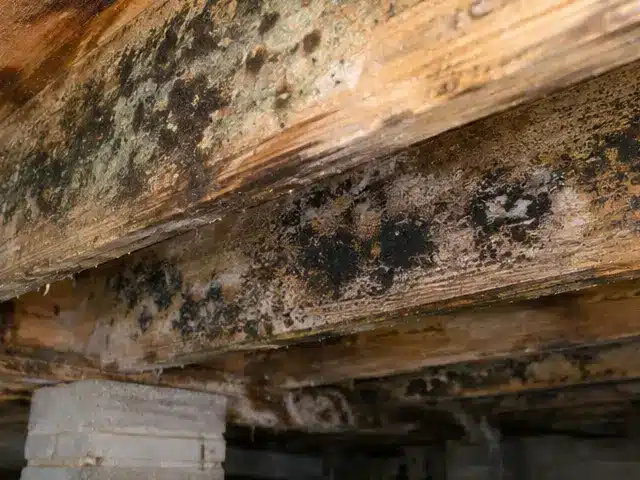
- Water has been there long enough that you see growth on the joists. In that case, see crawl space mold removal.
We remove water from crawl spaces in Seattle, Federal Way, Kent and the rest of King and Pierce County.
Call (206) 203-6155 any time, day or night, for a free estimate.