

Why Seattle homes need a closer look
Western Washington’s long wet season keeps building materials damp for months. Add cool surfaces in winter and many older homes with vented crawl spaces, and mold can grow in places nobody checks. A mold inspection looks where the moisture collects, not only where a stain shows. The places we check most often:
- Crawl spaces: wet soil, torn vapor barriers and damp insulation under the floor.
- Attics: roof leaks, poor ventilation and bath fans that vent into the attic.
- Basements: seepage after heavy rain and moisture left from past floods.
- Bathrooms, laundry rooms and windows: daily humidity and winter condensation.
- Inside walls and under floors: slow plumbing leaks.
Inspection first, testing when it helps
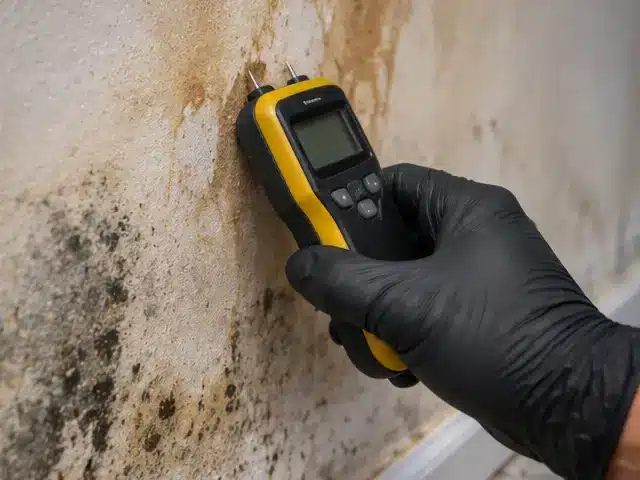
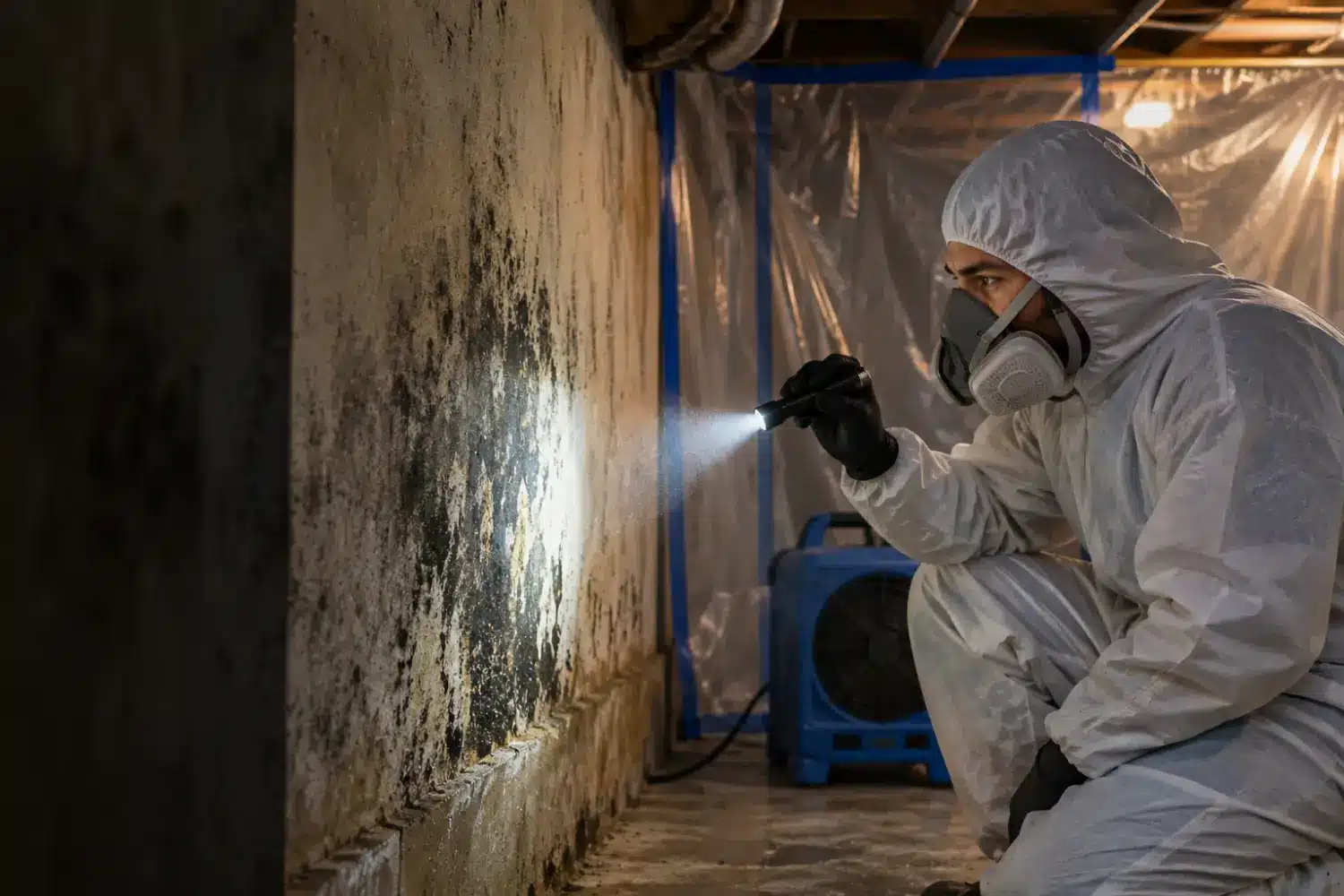
Our inspection starts with moisture readings, because wet materials show where mold is growing or will grow. We then inspect those areas and the most likely trouble spots for the type of home. When testing is needed, we provide air-quality testing before remediation, and post-remediation testing to confirm the area is clean.
Testing is not always the answer. The EPA notes that if mold is visible, sampling is usually unnecessary, and that no EPA or federal limits have been set for mold or mold spores. The CDC says you don’t need to know what type of mold you have to remove it. What matters is how far the growth reaches and what is keeping it wet. That is what our inspection is built to answer.
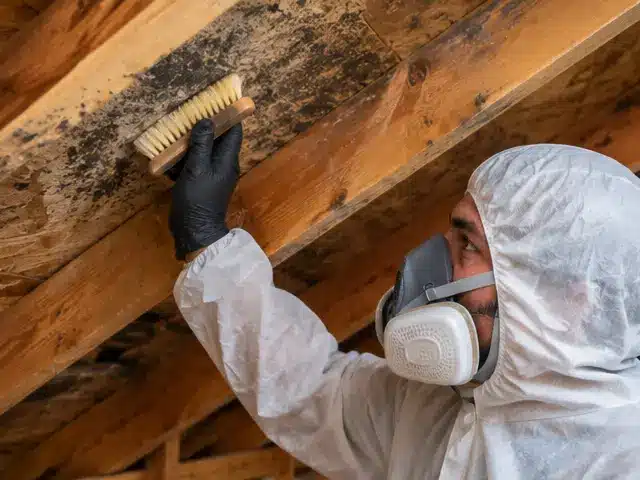
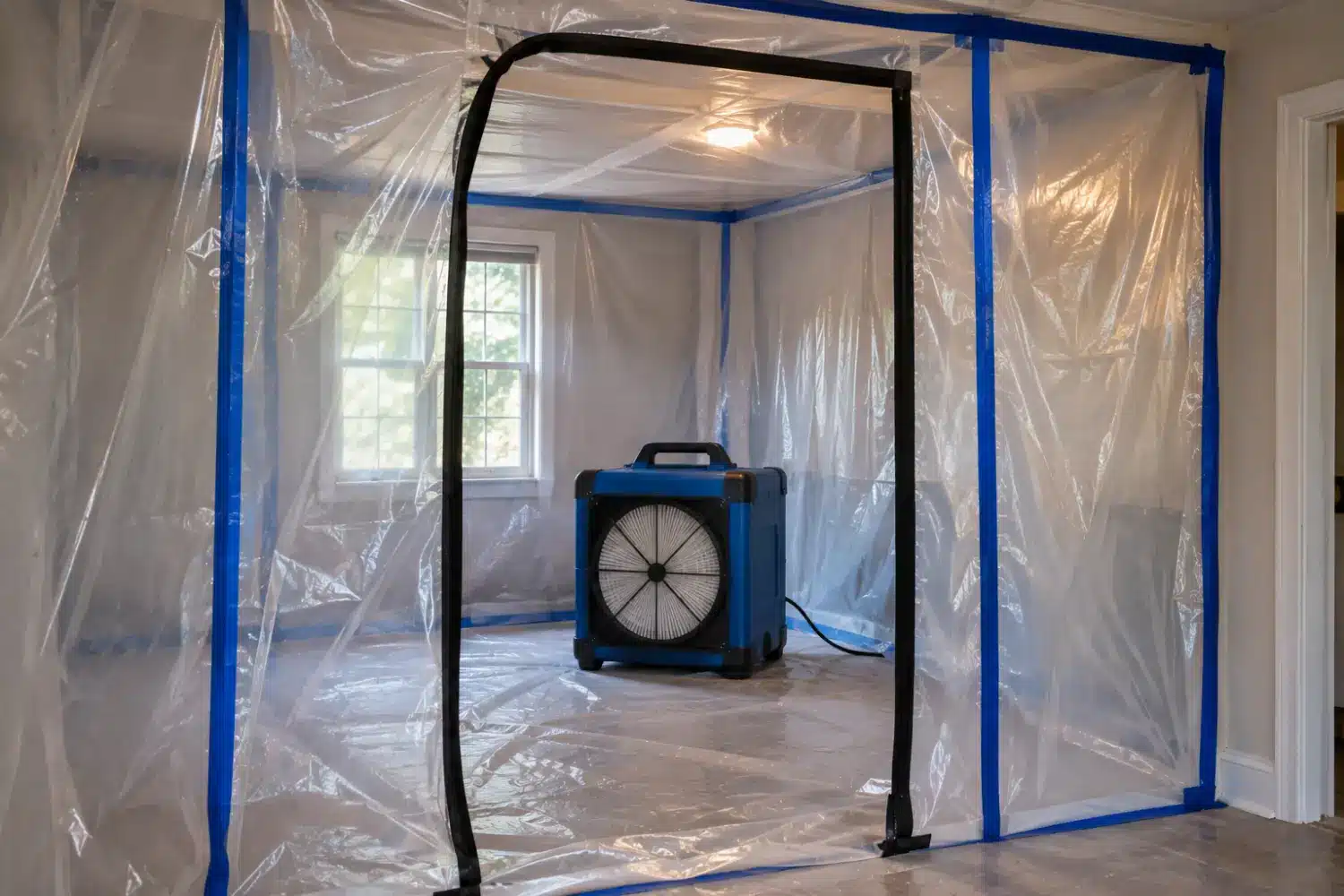
If the inspection finds mold, the next step is mold remediation: containment, HEPA air filtration, removal and cleaning, and moisture control. The location often decides the approach, so see attic mold removal, basement mold removal and black mold removal. For more on the warning signs, read our guide to identifying mold in homes and businesses.
What to do before we arrive
- Don’t disturb it. Scraping, sanding or dry-brushing mold can spread spores.
- Stop any active leak. Shut off the water at the fixture or main valve if you can do it safely.
- Don’t paint over stains. Paint hides the mold and the evidence of the cause.
- Write down the history. When the smell started, past leaks or floods, and any repairs.
- Take photos. They help with insurance, a sale or a landlord-tenant situation.
If someone in the home has asthma, allergies or a weakened immune system, talk to a doctor about health concerns. We deal with the source.
When to call for a mold inspection
- A musty smell that won’t go away, with no visible mold.
- A leak or flood that wasn’t dried within 24 to 48 hours.
- A home inspection flagged mold in the crawl space or attic before a sale.
- Stains or peeling paint keep coming back after cleaning.
- A rental unit or commercial space where tenants, customers or staff report a problem.
We inspect homes and businesses in Seattle, Renton, Federal Way and across King and Pierce County.
Call (206) 203-6155 for a mold inspection and a free estimate, 24/7.