After a house fire, the first priorities are safety, a call to your insurance company and protecting what is left. Stay out until the fire department says it is safe, contact your insurer right away, document everything before you clean or throw anything out, and get the building boarded up and dried so rain and firefighting water don’t add to the damage. This checklist walks Seattle-area homeowners through the first hours, the first days and the insurance claim, using guidance from the American Red Cross and the Washington State Office of the Insurance Commissioner.
Fire just happened? If anyone is hurt, call 9-1-1 first. When the fire department has cleared the scene, call 911 Restoration of Seattle at (206) 203-6155 for board-up, tarping and water removal. We answer 24/7, with an average response time of 45 minutes.
The first hours: people first
The American Red Cross lists four steps to take immediately after a home fire (American Red Cross):
- Call 9-1-1 and give first aid where needed; cool and cover burns.
- Let friends and family know you’re safe.
- Get seriously injured people and animals to medical or veterinary care right away.
- Stay out of the house until local fire authorities say it is safe to go back in.
The Red Cross also advises throwing out any food that was exposed to heat, smoke or soot, and keeping pets under close control while the property is unsafe.
Call your insurance company right away
Washington’s Office of the Insurance Commissioner (OIC) says to contact your insurance company immediately after a fire (OIC, Insurance claims after a fire). Ask for a complete copy of your policy, including endorsements, and read the section on your duties after a loss. From the first call on:
- Keep a claim diary: who you spoke with, when, and what was said.
- Save every email, letter and estimate, and keep copies of everything you send.
- Keep receipts for hotels, meals, clothing and other costs.
- Don’t exaggerate the loss. The OIC warns that padding a claim is insurance fraud.
Under Washington rules, your insurer must accept or deny your claim, or tell you in writing why it needs more time, within 30 days, and send a written update every 30 days after that (OIC, Filing a homeowner insurance claim).
Document before you clean or throw anything out
Photograph and video every room, including rooms the fire didn’t reach, before anything is cleaned or moved. The OIC is clear: don’t throw out damaged items until your insurer has inspected them or told you it’s okay. Start a room-by-room inventory of what was damaged while it’s fresh in your mind.
Protect the property, but hold off on permanent repairs
You are expected to protect the home from further damage, but the OIC advises against making permanent repairs before the insurer inspects. In practice that means temporary measures:
- Emergency board-up of broken windows and doors to keep out weather and intruders.
- Roof tarping where the fire or firefighters opened the roof. In Seattle’s rainy season, an open roof can do as much damage as the fire.
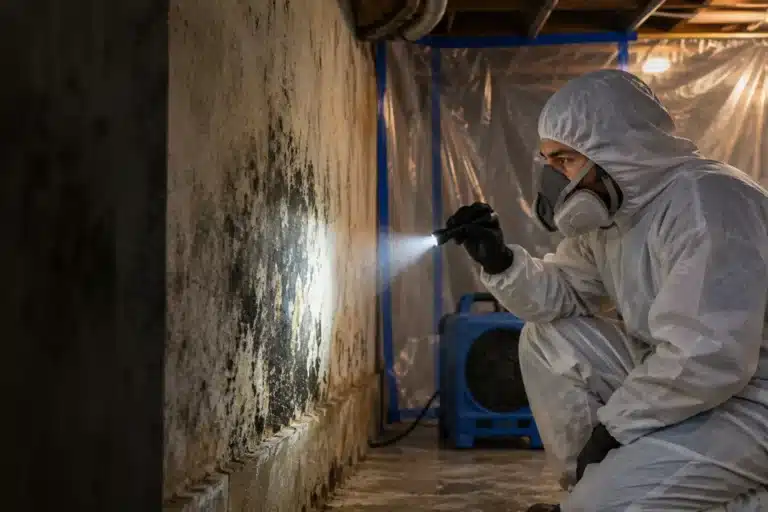
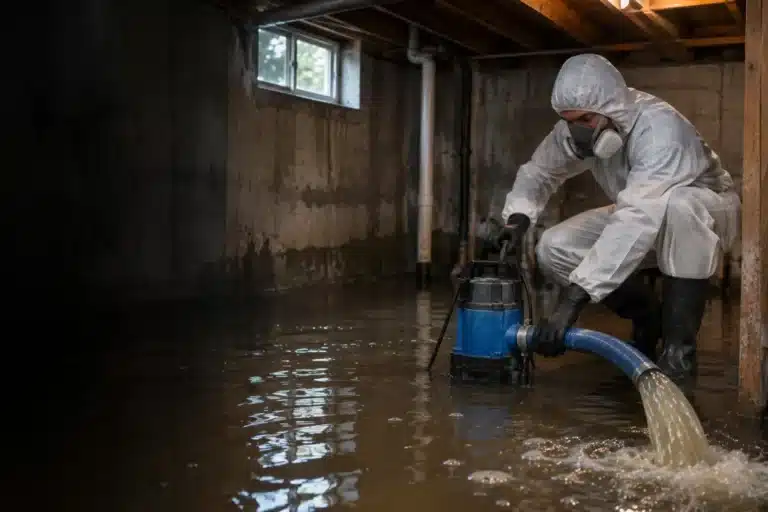
- Removing firefighting water and starting to dry the structure. Wet framing, insulation and floors can start growing mold within days (see water damage restoration).
Where you’ll stay: additional living expenses
If the fire makes your home unsafe or unlivable, most homeowner policies include additional living expenses (ALE), often called Coverage D or “loss of use.” According to the OIC, ALE can cover temporary housing, meals above your normal food costs, storage, moving, laundry, pet boarding and extra travel, but not your normal mortgage, rent or utilities. Limits are usually 20% to 30% of your dwelling coverage and usually last 12 to 24 months (OIC, Additional living expenses coverage). Keep every receipt and a mileage log, and send them to your insurer regularly.
Smoke damage needs its own inspection
Smoke and soot travel through ducts, attics and wall cavities, so rooms far from the fire can be damaged too. The OIC says smoke damage is assessed as part of a fire claim and recommends asking your insurer for a full smoke inspection, documenting smoke damage before cleaning, and asking for a reinspection if odor shows up later (OIC, Smoke damage and your homeowner or renter insurance).
Until a professional has looked at it, don’t wipe soot off walls or fabrics and don’t run the heating system: both can smear residue and spread it further. See smoke and soot damage cleanup and smoke odor removal.
Watch out for contractors who show up uninvited
The OIC warns homeowners to be wary of contractors who arrive at the scene unasked, not to sign anything under pressure, and to check that any contractor is licensed. You have the right to choose your own contractor. Read any “assignment of benefits” form carefully before signing, since it hands your claim payments to the contractor. If you hire a public adjuster, use one licensed in Washington. For help with an insurer, the OIC’s consumer advocates are at 800-562-6900.
Checklist: after a house fire
- ☐ Everyone safe; injuries treated; family told you’re okay
- ☐ Fire department has cleared the building before anyone goes in
- ☐ Insurance company called; claim number written down
- ☐ Copy of the full policy and endorsements requested
- ☐ Photos and video of every room, before cleaning
- ☐ Board-up, roof tarping and water removal arranged
- ☐ Food exposed to heat, smoke or soot thrown out
- ☐ Damaged items kept until the adjuster has seen them
- ☐ Temporary housing arranged; receipts kept for ALE
- ☐ Smoke inspection requested for the whole house
- ☐ Claim diary started; all emails and letters saved
- ☐ Contractor chosen by you, licensed, no pressure to sign
How 911 Restoration of Seattle helps after a fire
We handle the whole job with one team: board-up and tarping, water removal and drying, soot and smoke cleanup, odor removal and rebuilding, with photos and documentation for your insurer. We work with most insurance companies and offer free estimates. Learn more about fire damage restoration in the Seattle area, or fire damage restoration in Tacoma. Call (206) 203-6155, day or night.
Sources
- American Red Cross, What to Do After a Home Fire
- Washington State Office of the Insurance Commissioner, Insurance claims after a fire
- OIC, Filing a homeowner insurance claim
- OIC, Additional living expenses coverage
- OIC, Smoke damage and your homeowner or renter insurance
Last reviewed November 10, 2026. General information only, not legal or insurance advice.