Mold can start growing on wet materials quickly. Both the U.S. Environmental Protection Agency and the CDC say to dry water-damaged areas within 24 to 48 hours; the EPA notes that if materials are dried within that window, in most cases mold will not grow. After that, every day the house stays wet makes mold more likely and the cleanup bigger, which is why the first two days after a leak or flood matter more than anything that comes later.
Water damage right now? Call 911 Restoration of Seattle at (206) 203-6155. We answer 24/7, with an average response time of 45 minutes, and start extraction and drying right away.
The 24–48 hour rule
The EPA’s guide to mold and moisture says to dry water-damaged areas and items within 24–48 hours to prevent mold growth (EPA, A Brief Guide to Mold, Moisture and Your Home). The CDC gives the same window after a flood: clean up and dry out the home fully and quickly, within 24–48 hours (CDC, About Mold). Neither agency gives an exact day when mold appears, because it depends on the material, the temperature and how wet things stay, but the message is consistent: the clock starts when the water arrives.
Why “it looks dry” isn’t enough
Surfaces dry long before what’s under and behind them. Water wicks up drywall, soaks into carpet pad and subfloor, and sits in wall cavities and under cabinets. A floor can feel dry on top while the plywood below stays wet for days. That’s why professional drying is measured, not guessed: we check moisture in floors, walls and framing every day and keep drying until the readings say the structure is dry.
Why Seattle homes are at higher risk
Western Washington’s long, damp winters work against drying. Many Seattle-area homes sit over vented crawl spaces, have finished basements or have attics that stay humid for months, so a leak that isn’t dried quickly has the moisture it needs to turn into mold. The most common places we find it after water damage are basements, crawl spaces, attics and behind drywall near the original leak.
What to do in the first 48 hours
- Stop the water. Shut off the main valve for a pipe or appliance leak. The EPA’s advice is to fix plumbing leaks and other water problems as soon as possible.
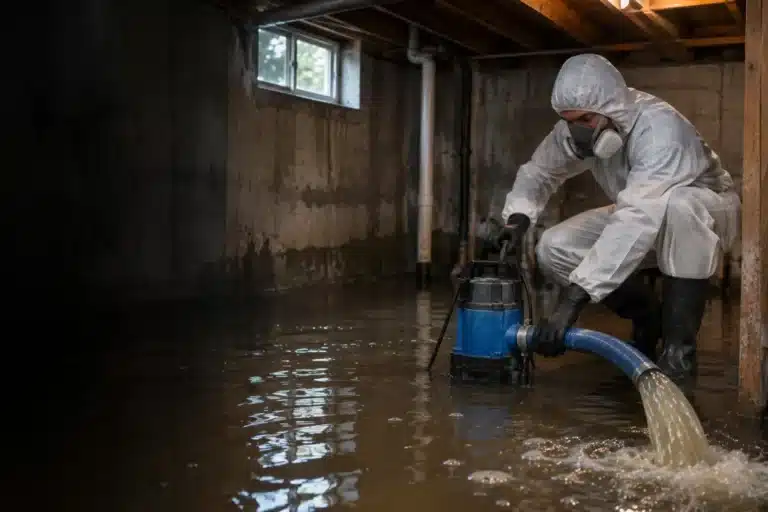
- Get the water out. Standing water has to be extracted before anything can dry. See emergency water extraction.
- Remove what can’t be dried in time. The CDC says to remove carpets and upholstery that were soaked and can’t be dried right away, and the EPA notes that porous materials such as ceiling tiles and carpet may have to be thrown away if they become moldy.
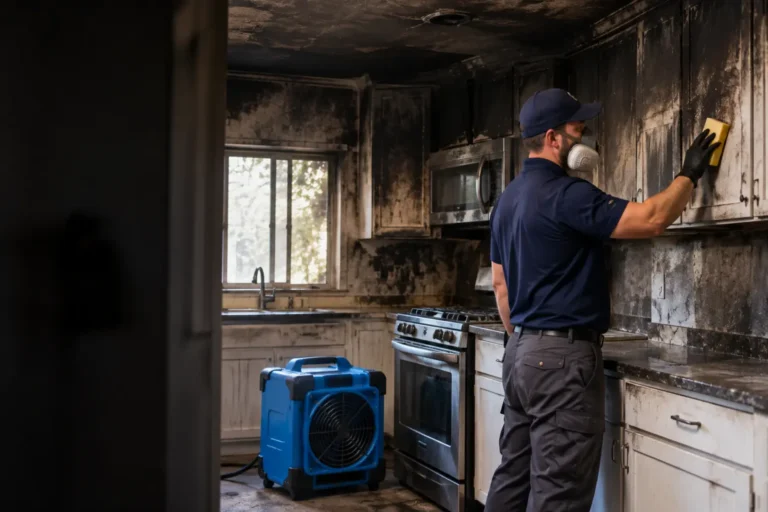
- Dry the structure, not just the room. Dehumidifiers and air movers, with moisture readings, until floors, walls and framing are dry.
- Don’t run a contaminated HVAC system. The EPA warns that running HVAC you suspect is contaminated with mold can spread it through the building.
- Treat sewage and floodwater differently. For water contaminated by sewage, the EPA recommends a professional experienced with buildings damaged by contaminated water (see sewage backup cleanup).
When mold has already started
The EPA’s rule of thumb: if the moldy area is less than about 10 square feet, in most cases you can handle it yourself; larger areas, extensive water damage, contaminated water or suspected hidden mold call for an experienced professional (EPA, Mold Cleanup in Your Home). If you clean small areas yourself, the CDC recommends an N-95 respirator, goggles and gloves, and warns never to mix bleach with ammonia or other cleaners (CDC, Mold cleanup after disasters).
Mold matters for health, too. The CDC notes that mold can cause a stuffy nose, sore throat, coughing or wheezing, burning eyes or skin rash in some people, and that people with asthma, mold allergies, weakened immune systems or chronic lung disease can react more severely (CDC).
Professional mold remediation contains the area, removes moldy materials, cleans with HEPA equipment and, most importantly, fixes the moisture that caused it. If you can smell mold but can’t see it, a mold inspection finds where it’s growing. After removal, post-mold cleaning clears the settled spores and dust.
Frequently asked questions
Can mold grow in 24 hours?
Neither the EPA nor the CDC gives an exact hour, but both set 24–48 hours as the window for drying wet materials. If materials are dried within that window, the EPA says that in most cases mold will not grow.
Does a dehumidifier alone stop mold after a leak?
Not if materials are soaked. A household dehumidifier helps with humidity, but wet drywall, carpet pad, subfloor and insulation usually need extraction, removal of what can’t be saved and commercial drying equipment.
Should I test for mold after water damage?
The CDC does not recommend routine mold testing; if you can see or smell mold, the priority is removing it and fixing the moisture. An inspection is most useful when you suspect hidden mold behind walls or under floors.
Will insurance pay for mold after water damage?
It depends on your policy and the cause. Mold resulting from a sudden, covered leak is treated differently from mold caused by long-term moisture. See what homeowners insurance covers in Washington.
Stop mold before it starts
The cheapest mold job is the one that never happens. If you’ve had a leak, a flooded basement or a sewage backup anywhere in the Seattle area, call (206) 203-6155 and we’ll start drying within the window that matters. Learn more about water damage restoration and mold remediation.
Sources
- U.S. EPA, A Brief Guide to Mold, Moisture and Your Home (updated February 18, 2026)
- U.S. EPA, Mold Cleanup in Your Home (updated June 4, 2026)
- CDC, About Mold (September 26, 2024)
- CDC, Homeowners and Renters Guide to Mold Cleanup After Disasters
Last reviewed November 10, 2026. General information only, not medical or insurance advice.